pico Plywood Contact
Contact Information
To learn more about our Plywood Products or discuss your project requirements, please reach out to us through the following channels.
PLYWOOD
What plywood is waterproof? Discover marine plywood, phenolic plywood and exterior-grade panels for outdoor, humid and construction projects.
Not all plywood handles moisture equally. If you’ve ever had a panel swell, delaminate, or rot after exposure to rain, you already know this the hard way. The question «what plywood is waterproof» is one of the most common — and most misunderstood — questions in the industry. In this guide, we’ll break down everything you need to know to choose the right panel for any wet or outdoor application.
The short answer: most plywood is water-resistant, not truly waterproof. Understanding the difference is essential before choosing a panel for any outdoor or humid environment.
When manufacturers describe plywood as «waterproof,» they typically refer to the bond between veneers — not the wood itself. A waterproof-rated plywood uses adhesives that will not delaminate when exposed to water, but the wood fibers can still absorb moisture over time if left unprotected.
Water-resistant plywood can handle occasional or brief moisture exposure without immediate damage. Waterproof plywood — such as marine-grade or phenolic panels — is engineered to withstand prolonged or continuous contact with water without losing structural integrity. For outdoor and marine applications, always opt for the highest moisture-resistance rating available.
The glue that bonds the veneers is the determining factor in moisture resistance. Exterior-grade and waterproof plywood use phenolic (WBP) or melamine adhesives that are specifically formulated to resist delamination from humidity and direct water contact. Interior plywoods use urea-formaldehyde resins that fail rapidly when wet. For detailed bonding standards, refer to the waterproof plywood bonding standards published by APA – The Engineered Wood Association.
Choosing the right type of waterproof plywood depends on your application, budget, and exposure level. Here are the main options available on the market:
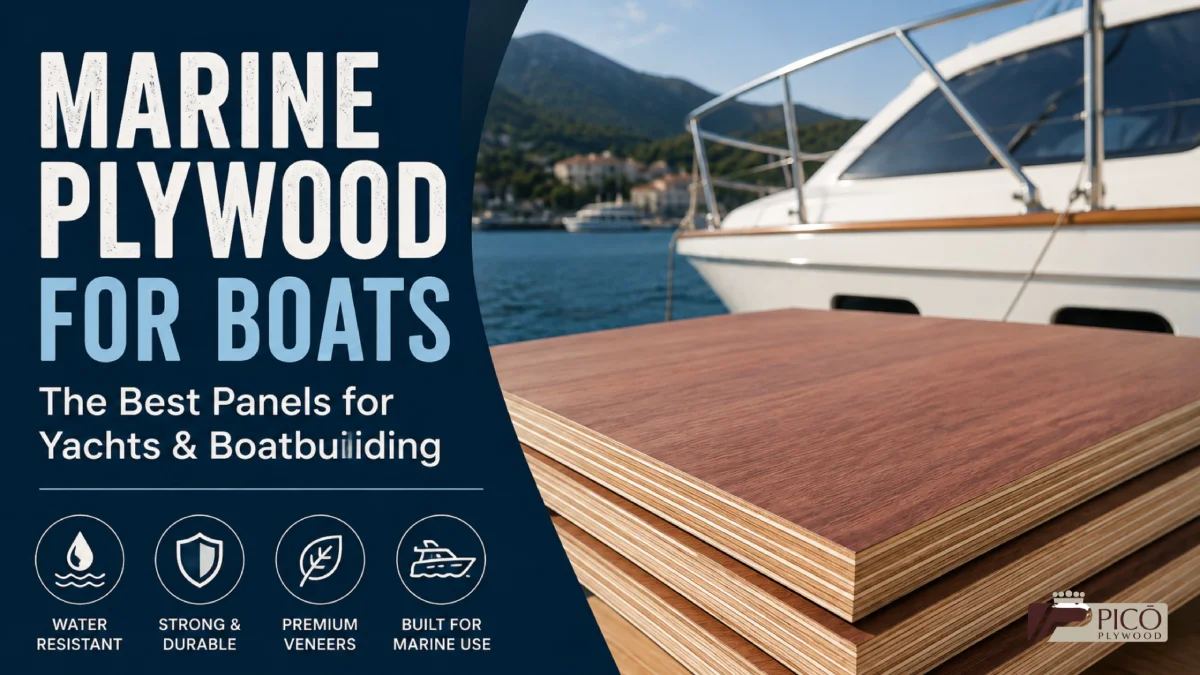
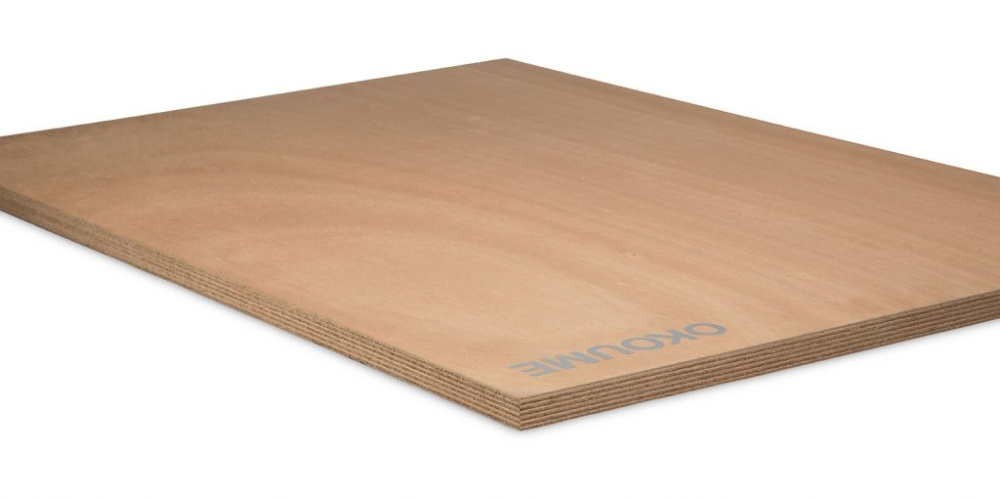
Marine plywood is the gold standard for water resistance. It is manufactured using top-grade veneers with no core voids, bonded with fully waterproof WBP (Weather and Boil Proof) phenolic adhesive. This makes it the preferred choice for boats, docks, outdoor furniture, and any structure with direct or sustained water exposure.
Key characteristics of marine plywood:
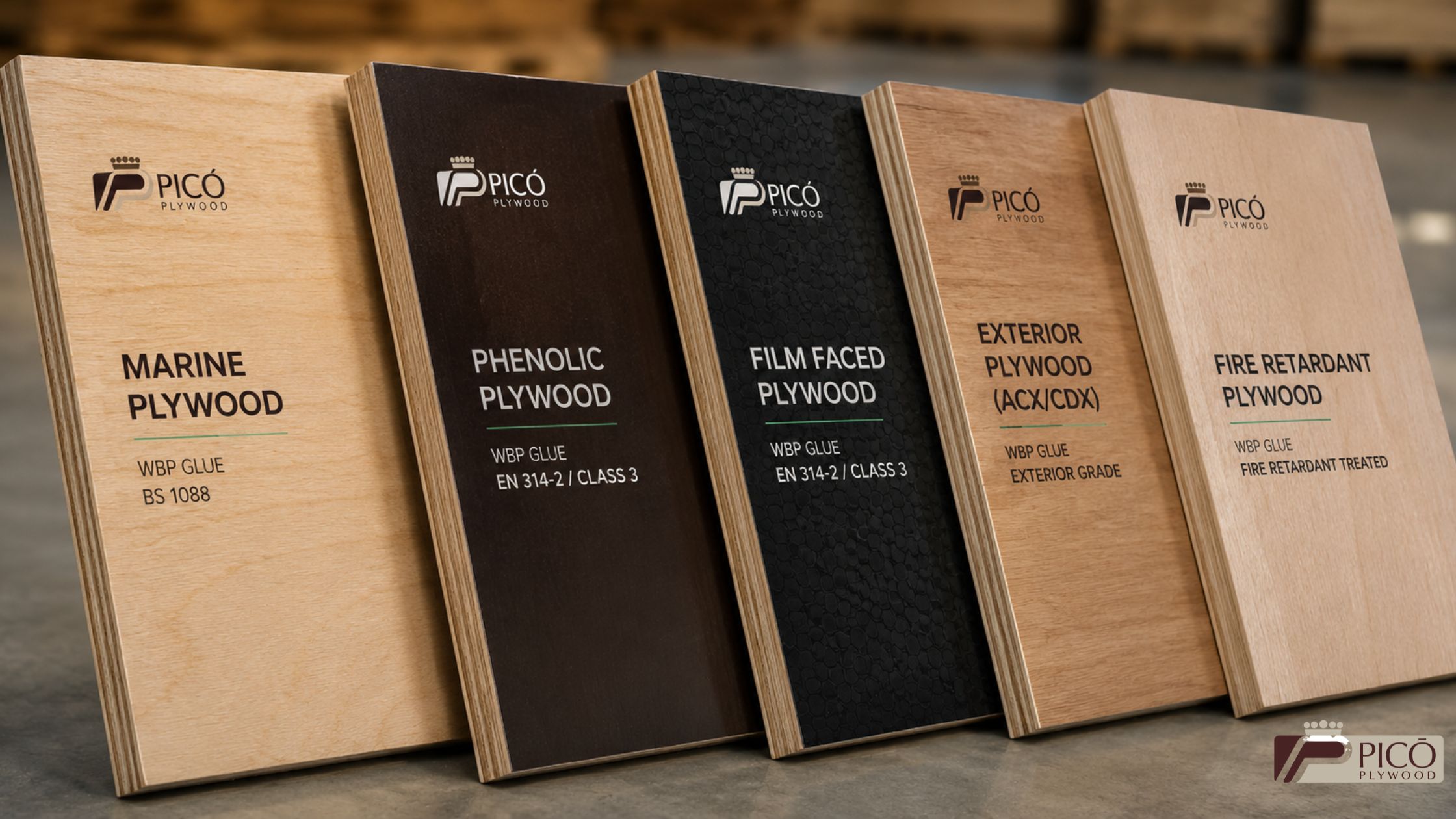
Phenolic plywood is impregnated with phenol-formaldehyde resin throughout the panel, giving it exceptional density, rigidity, and moisture resistance. It is widely used in industrial environments, heavy-duty construction, and applications where both waterproofing and structural strength are required.
Primary applications of phenolic plywood:
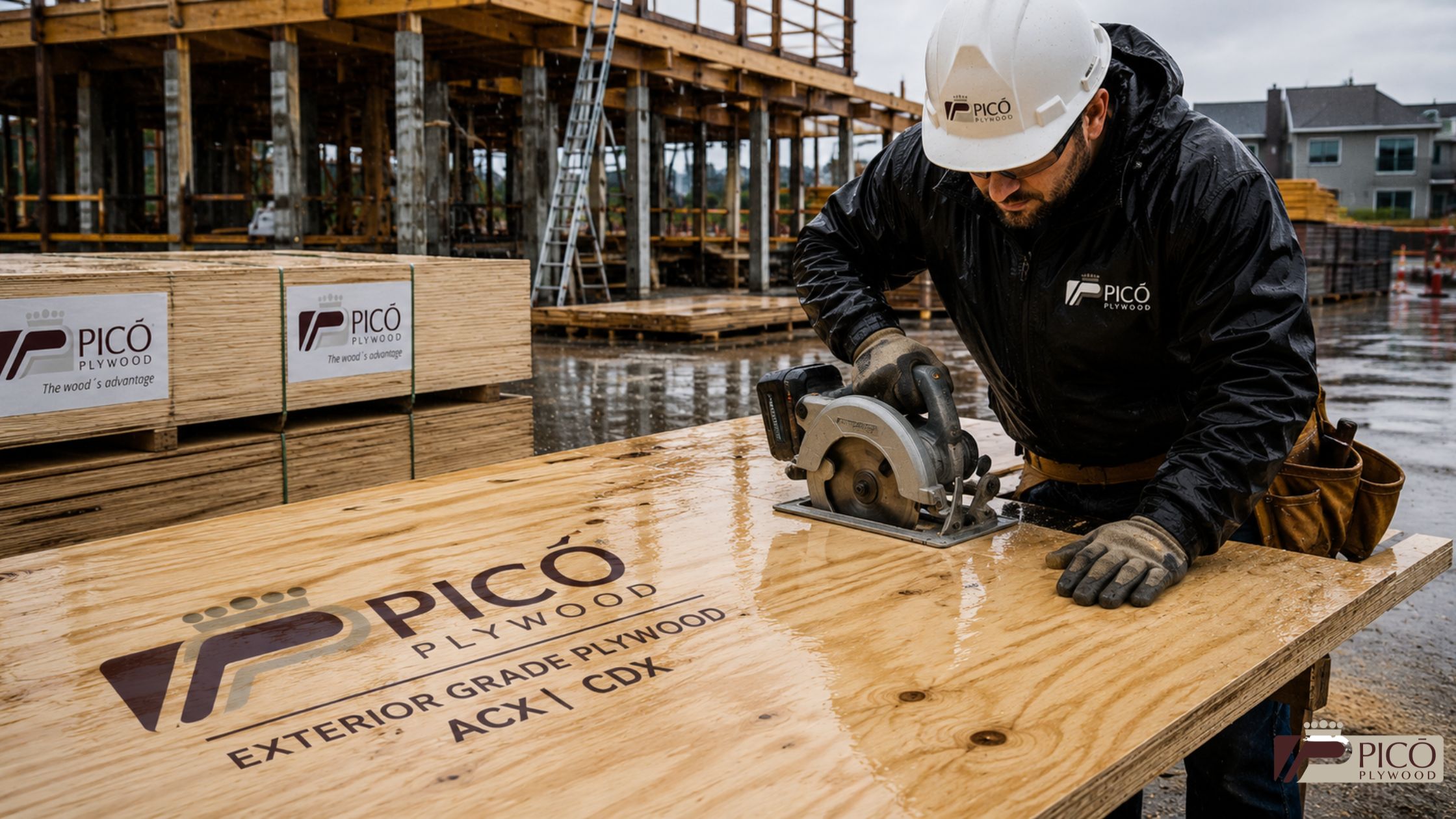
Exterior grade plywood — including ACX and CDX — uses water-resistant adhesives suitable for outdoor exposure but is not as robust as marine or phenolic panels. It is the most commonly used waterproof plywood for general construction, sheathing, and outdoor structural applications.
Pressure-treated plywood is infused with chemical preservatives under pressure, making it highly resistant to rot, fungi, and insect damage — in addition to moisture. It is commonly used in ground-contact applications such as decking substructures, retaining walls, and exterior framing.
Important limitations to consider:
Film faced plywood is coated on one or both faces with a durable phenolic resin film — usually black or brown — that creates a fully waterproof, abrasion-resistant surface. It is the industry standard for concrete formwork and is widely used in scaffolding, truck flooring, and outdoor platforms.
Comparing marine plywood and exterior plywood side by side helps clarify which product best fits your specific project requirements.
Marine plywood outperforms exterior plywood in moisture resistance due to its void-free core and fully waterproof WBP adhesive. Exterior plywood resists moisture adequately for dry-to-damp conditions but may show delamination after prolonged submersion or continuous humidity.
In marine or high-humidity environments, marine plywood can last 10–25 years or more with proper sealing and maintenance. Exterior plywood in similar conditions may begin to degrade within 3–7 years if not consistently maintained.
Marine plywood typically costs 2–4 times more than standard exterior plywood, reflecting the premium veneer quality, stricter manufacturing standards, and certified adhesive systems. For critical applications, the long-term performance justifies the higher upfront investment.
Different outdoor applications have distinct requirements. Here’s a breakdown by use case to help you make the right choice:
Marine plywood or high-quality exterior ACX are the top recommendations for outdoor furniture. Marine panels provide the best longevity, while exterior ACX offers a smoother, paintable surface at a lower price point. Always apply a UV-resistant sealant or paint to protect the surface.
Marine plywood is the only appropriate choice for boat decking and other nautical applications. The void-free core prevents water traps that lead to rot, and the WBP adhesive ensures the bond holds even when submerged for extended periods.
Film faced plywood and phenolic plywood are the preferred materials for concrete formwork and construction applications. Their phenolic resin surfaces resist moisture from fresh concrete, facilitate clean release, and can be reused many times when properly maintained.
In tropical or persistently wet climates, always choose marine or phenolic-grade plywood — even for applications where exterior grade might seem sufficient. The added moisture protection significantly reduces long-term maintenance costs and replacement frequency.
Even the best waterproof plywood benefits from additional surface protection. Proper sealing dramatically extends the lifespan of any outdoor panel.
The most effective waterproofing treatments for plywood include:
For detailed wood protection methods and research data, consult the wood protection and waterproofing research from the USDA Forest Products Laboratory.
Edges are the most vulnerable point of any plywood panel — water infiltrates the end grain far faster than face surfaces. Always seal all exposed edges with epoxy, edge banding, or a dedicated end-grain sealer before installation. This single step can double the effective lifespan of your panels.
Avoiding these common errors will save you significant time, money, and frustration:
The first step is to evaluate your local climate. High humidity, direct rain, salt air, and freeze-thaw cycles all require higher moisture resistance ratings. Marine and phenolic grades are the safe choice for challenging environments; exterior grades may suffice for mild climates with proper sealing.
Thickness affects both strength and moisture performance. Thicker panels provide better structural integrity and are less prone to warping. Common thicknesses for outdoor applications range from 12mm for light-duty furniture to 18–25mm for structural and marine applications.
While marine and phenolic plywood have higher upfront costs, their superior durability often makes them more cost-effective over the project lifetime. Calculate total cost including maintenance and replacement cycles, not just the initial purchase price.
Always verify the load-bearing requirements and applicable building codes for your project. Marine plywood meets stringent structural standards, while exterior plywood grades (ACX, CDX) have specific span and load ratings that must be matched to the application.
At Picó Plywood, we specialize in supplying high-performance waterproof plywood panels for demanding applications worldwide. Our range covers the full spectrum of moisture-resistant plywood solutions, from standard exterior grades to certified marine and industrial phenolic panels.
Our waterproof plywood range includes:
We supply waterproof plywood globally, providing technical consulting to help you select the right product for your specific project requirements. Our team can advise on panel specifications, thickness, surface treatment, and compliance with international standards.
Contact us at /contact-plywood-supplier/ to discuss your waterproof plywood needs, or explore our full range of marine plywood and phenolic plywood solutions.
No plywood is 100% waterproof in the sense that the wood itself is impervious to water indefinitely. However, marine plywood and phenolic plywood offer the highest resistance to moisture and water ingress — their adhesive bonds are fully waterproof and the panels can withstand prolonged water exposure without delaminating. For maximum protection, apply an additional epoxy or polyurethane coating.
Yes — marine plywood is the most waterproof plywood commercially available. It uses WBP (Weather and Boil Proof) phenolic adhesive and void-free veneer cores. The adhesive bond will not fail even when submerged. However, for best results and longest lifespan, the surface should still be sealed with a marine-grade varnish or epoxy resin.
Standard interior plywood should never be used outdoors — it will absorb moisture, swell, and delaminate within months. For outdoor applications, always use exterior grade plywood (minimum ACX or CDX), or ideally marine or phenolic grade for enhanced performance and longevity.
Marine plywood or phenolic plywood are the best choices for humid climates such as tropical regions, coastal areas, or locations with high annual rainfall. Their superior adhesive systems and dense veneer construction resist the continuous moisture exposure that degrades lower-grade panels.
With proper installation and regular maintenance: marine plywood can last 15–25+ years; phenolic and film faced plywood can last 10–20 years in construction applications; exterior grade plywood typically lasts 7–15 years when properly sealed. Lifespan depends heavily on climate exposure, surface protection, and maintenance frequency.
Yes — phenolic plywood is highly waterproof. It is manufactured with phenol-formaldehyde resin that penetrates the entire panel structure, making it highly resistant to water, chemicals, and fungal growth. Film faced phenolic plywood adds a resin-impregnated surface layer for even greater moisture and abrasion resistance, making it the preferred choice for concrete formwork and industrial flooring.
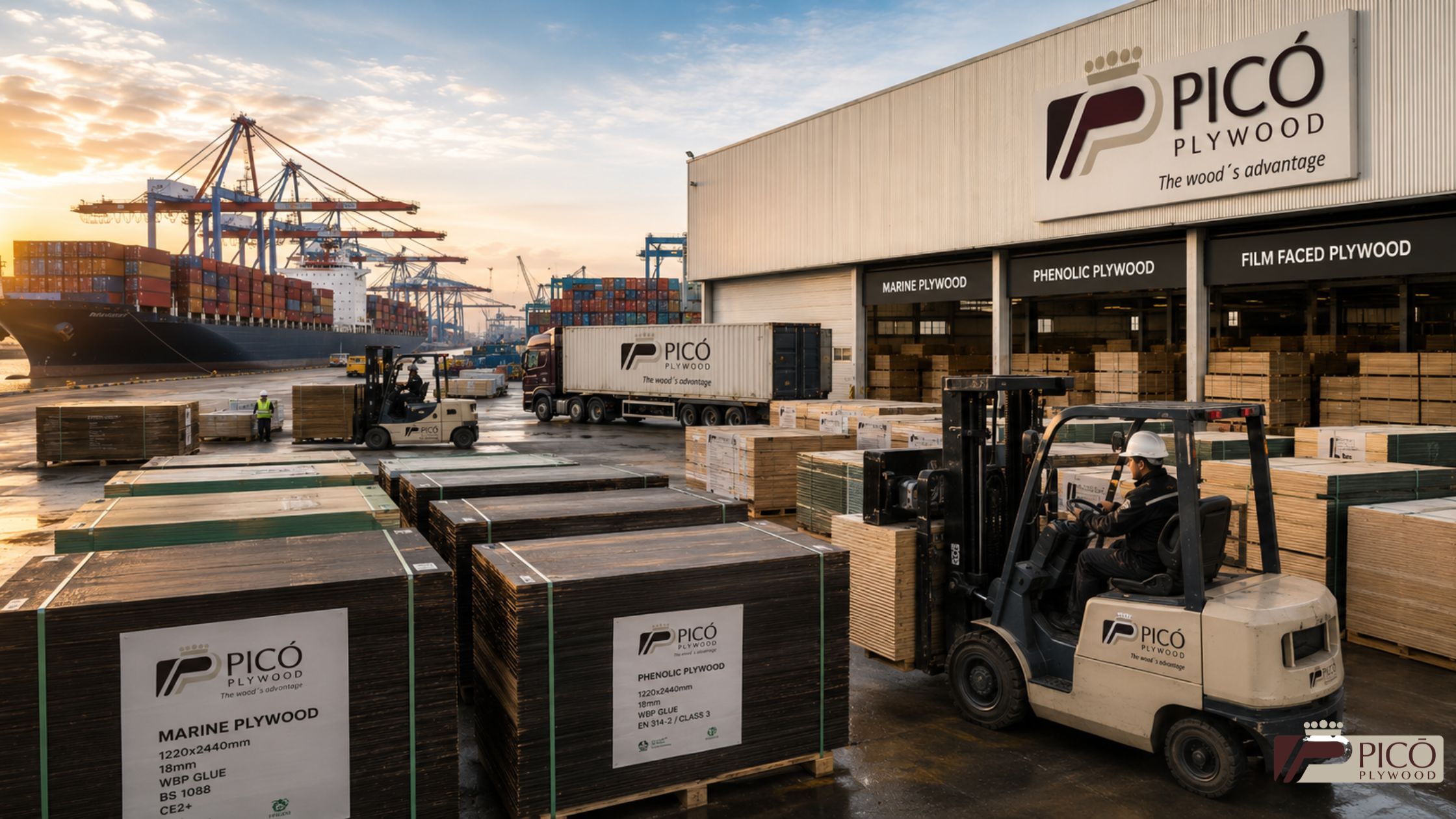
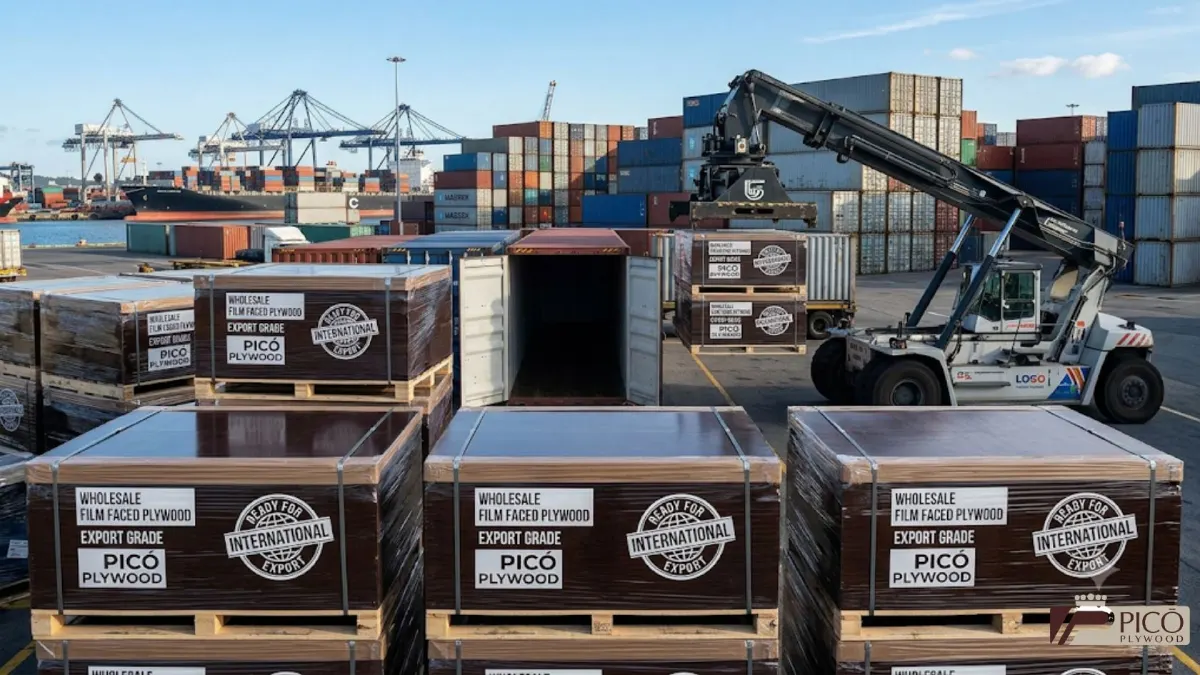
Selecting the correct plywood is a technical decision that directly impacts the safety, durability, and cost-efficiency of your construction project. Whether you need marine plywood for water-exposed environments, phenolic plywood for heavy-duty industrial uses, or film faced plywood for concrete formwork, the right specification makes all the difference.
pico Plywood Contact
Contact Information
To learn more about our Plywood Products or discuss your project requirements, please reach out to us through the following channels.
Esta web utiliza cookies para que podamos ofrecerte la mejor experiencia de usuario posible. La información de las cookies se almacena en tu navegador y realiza funciones tales como reconocerte cuando vuelves a nuestra web o ayudar a nuestro equipo a comprender qué secciones de la web encuentras más interesantes y útiles.
Strictly necessary cookies must always be enabled so that we can save your cookie setting preferences.
If you deactivate this cookie we will not be able to save your preferences. This means that each time you visit this website you will have to activate or deactivate cookies again.
Esta web utiliza Google Analytics para recopilar información anónima tal como el número de visitantes del sitio, o las páginas más populares.
Dejar esta cookie activa nos permite mejorar nuestra web.
Please enable strictly necessary cookies first so we can save your preferences!