
pico Plywood Contact
Contact Information
To learn more about our Plywood Products or discuss your project requirements, please reach out to us through the following channels.
PLYWOOD
Best plywood for outdoor use: discover the most durable types, compare marine, exterior and treated plywood, and choose the right option for your project.
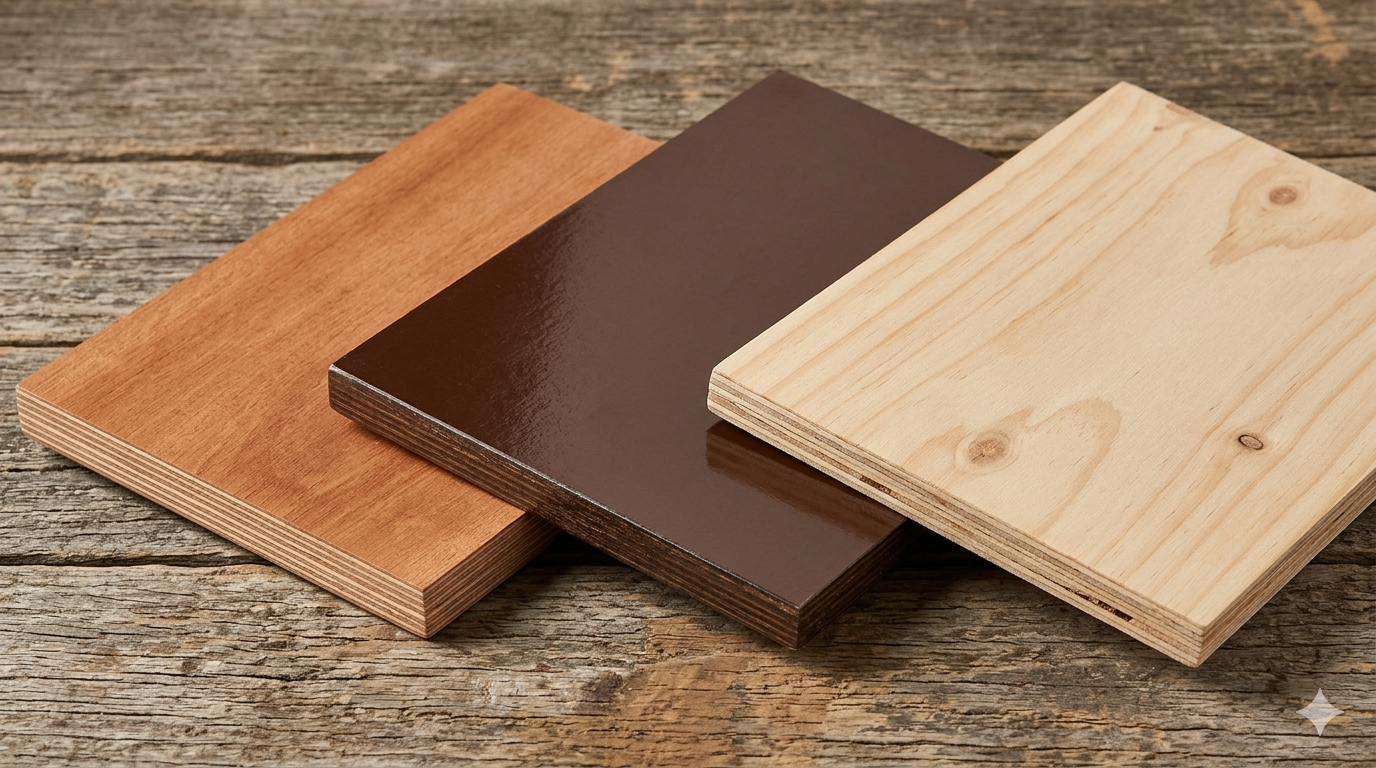
The best plywood for outdoor use is marine plywood, exterior plywood, or phenolic plywood, depending on your specific project requirements and environmental exposure. Marine plywood offers superior water resistance for high-moisture environments, while phenolic plywood excels in industrial applications, and exterior-grade plywood provides a cost-effective solution for general outdoor projects.
Whether you are working on large-scale commercial builds, marine structures, concrete formwork, or industrial flooring, each application demands a specific type of plywood with distinct properties in terms of moisture resistance, load capacity, and surface finish.
In this expert guide, we walk you through every key factor professionals must evaluate when choosing construction plywood: from understanding the main types — including marine plywood, phenolic plywood, and film faced plywood — to analyzing thickness requirements, grading systems, and environmental conditions.
By the end of this guide, you will have a clear framework to make informed, technically sound decisions for any construction scenario.
For most outdoor applications, marine plywood stands out as the premium choice due to its exceptional water resistance and durability. However, phenolic plywood offers unmatched performance in industrial and construction settings, while exterior-grade plywood provides reliable protection for standard outdoor projects at a more accessible price point. The optimal selection depends on factors such as moisture exposure levels, project duration, and budget constraints.
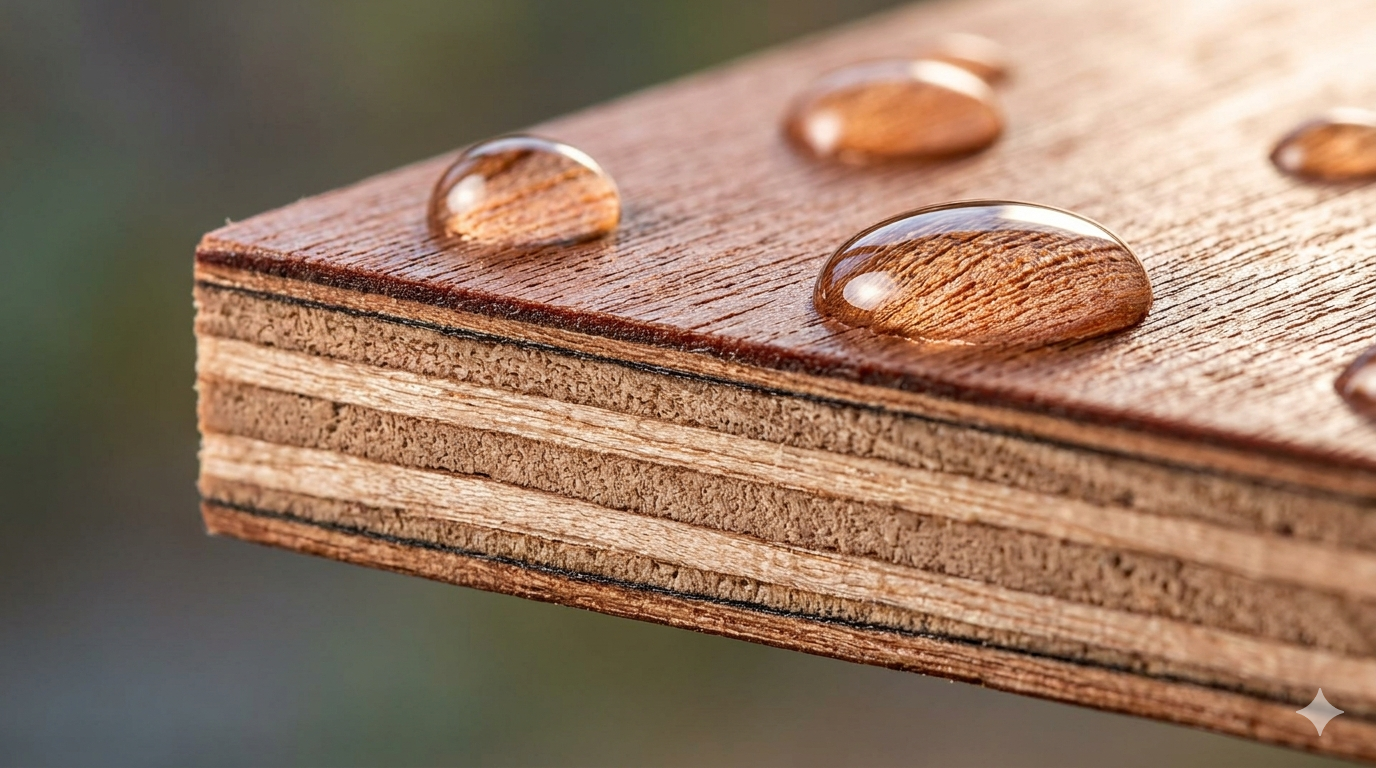
Understanding the technical specifications of outdoor plywood is essential for making an informed purchasing decision. Not all plywood products are created equal, and the difference between indoor and outdoor-rated materials can significantly impact your project’s longevity and performance.
Water resistance and waterproofing are not interchangeable terms in the plywood industry. Water-resistant plywood can withstand occasional moisture exposure and humidity but will eventually deteriorate with prolonged water contact. Waterproof plywood, such as marine-grade panels, features specialized adhesives and treatments that allow the material to maintain structural integrity even when fully submerged or exposed to continuous moisture.
The key distinction lies in the bonding agent and core veneer quality. Waterproof varieties use phenolic resin or weather-and-boil-proof (WBP) adhesives that create permanent bonds unaffected by water, while water-resistant options may use moisture-resistant (MR) glues suitable for limited exposure only.
Outdoor plywood must endure dramatic temperature fluctuations, UV radiation, precipitation, and humidity variations. Premium outdoor plywood incorporates dense, defect-free wood veneers that resist warping, splitting, and delamination under these conditions.
Marine and phenolic plywood typically demonstrate superior dimensional stability compared to standard exterior grades because they contain no voids or gaps in their core layers. This construction prevents moisture infiltration and maintains structural strength throughout seasonal weather cycles. Quality outdoor plywood should retain at least 85% of its dry strength even after prolonged wet-dry cycling.
Biological degradation represents one of the most significant threats to outdoor plywood. Fungi, mold, and wood-boring insects thrive in moist wood environments, breaking down cellulose fibers and compromising structural integrity.
The best outdoor plywood incorporates natural rot-resistant wood species or chemical treatments that inhibit fungal growth. Marine plywood traditionally uses tropical hardwoods like okoume or meranti with inherent decay resistance. Pressure-treated plywood includes preservatives that penetrate deep into the wood fibers, creating a hostile environment for organisms that cause rot.
Moisture content management is critical—outdoor plywood should be manufactured and stored at 12-15% moisture content and sealed immediately after cutting to prevent water absorption through exposed edges.
The adhesive used to bond plywood veneers together determines the panel’s outdoor performance more than any other single factor. According to plywood standards and bonding classifications, two primary bonding systems dominate the outdoor plywood market:
Weather-and-Boil-Proof (WBP) adhesives, typically phenol-formaldehyde resins, create permanent bonds that withstand boiling water immersion for extended periods. WBP-bonded plywood maintains full strength in tropical climates, marine environments, and applications with continuous water contact.
Phenolic resin bonding represents the gold standard for outdoor applications. This thermosetting synthetic resin cures under heat and pressure to form bonds stronger than the wood itself. Phenolic-bonded plywood will not delaminate under normal outdoor conditions and meets the most stringent international standards for exterior use.
Lesser adhesive systems, such as melamine-urea-formaldehyde (MUF) or moisture-resistant (MR) glues, may suffice for protected outdoor applications but should never be used in direct weather exposure or high-humidity environments.
Selecting the appropriate plywood type is crucial for project success and longevity. Each outdoor plywood category offers distinct advantages tailored to specific applications and environmental conditions.
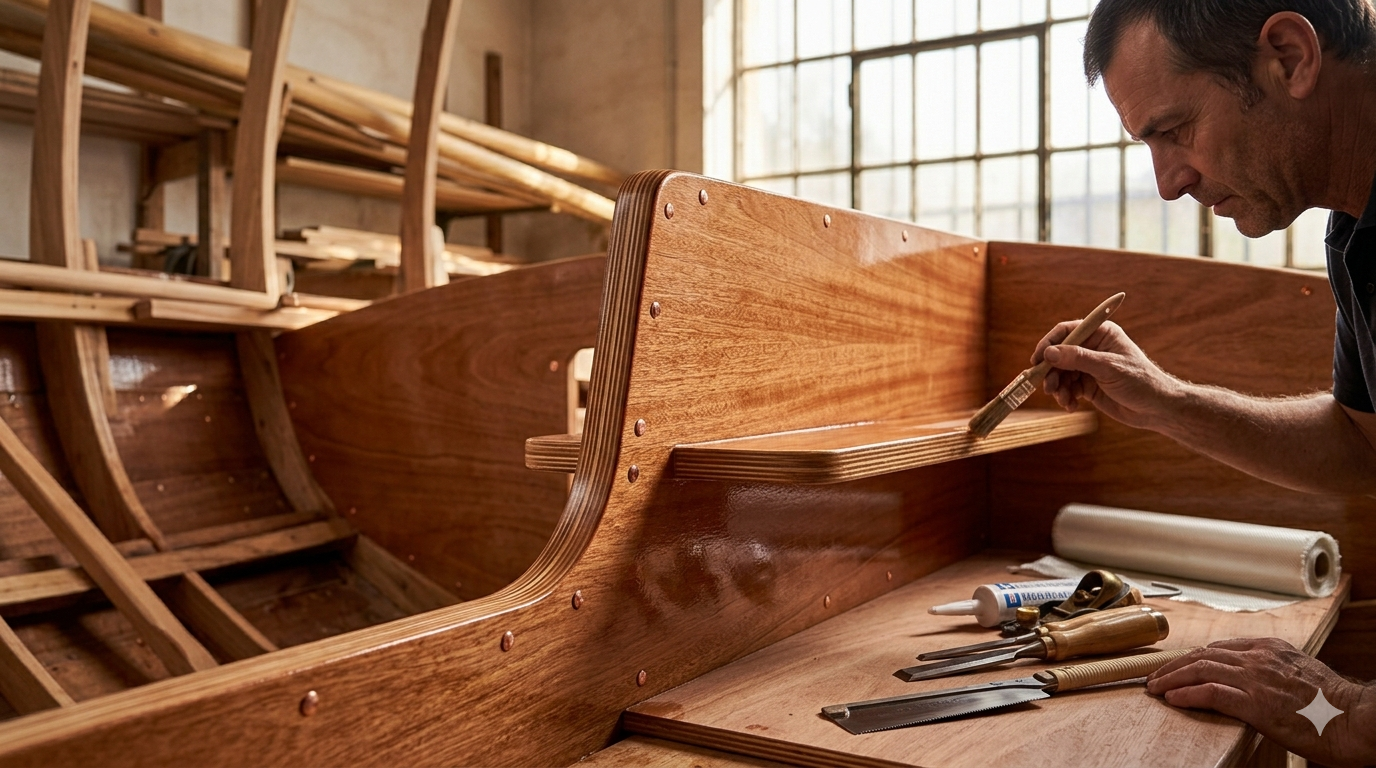
Marine plywood represents the premium tier of outdoor plywood, specifically engineered for boat building, dock construction, and applications with constant water exposure. This specialized material contains zero voids or gaps in its core layers, preventing water infiltration and delamination.
True marine plywood uses only high-quality face veneers with minimal defects and bonds them with WBP phenolic adhesives. The wood species selected—typically Douglas fir, okoume, or khaya—offer natural water resistance and dimensional stability. Marine plywood can withstand full submersion in fresh or salt water without losing structural integrity.
The manufacturing standards for marine plywood exceed those of standard exterior grades, with stricter quality control on veneer selection, core construction, and adhesive application. While marine plywood carries a premium price, its exceptional durability in wet environments makes it the most cost-effective choice for long-term marine and high-moisture applications.
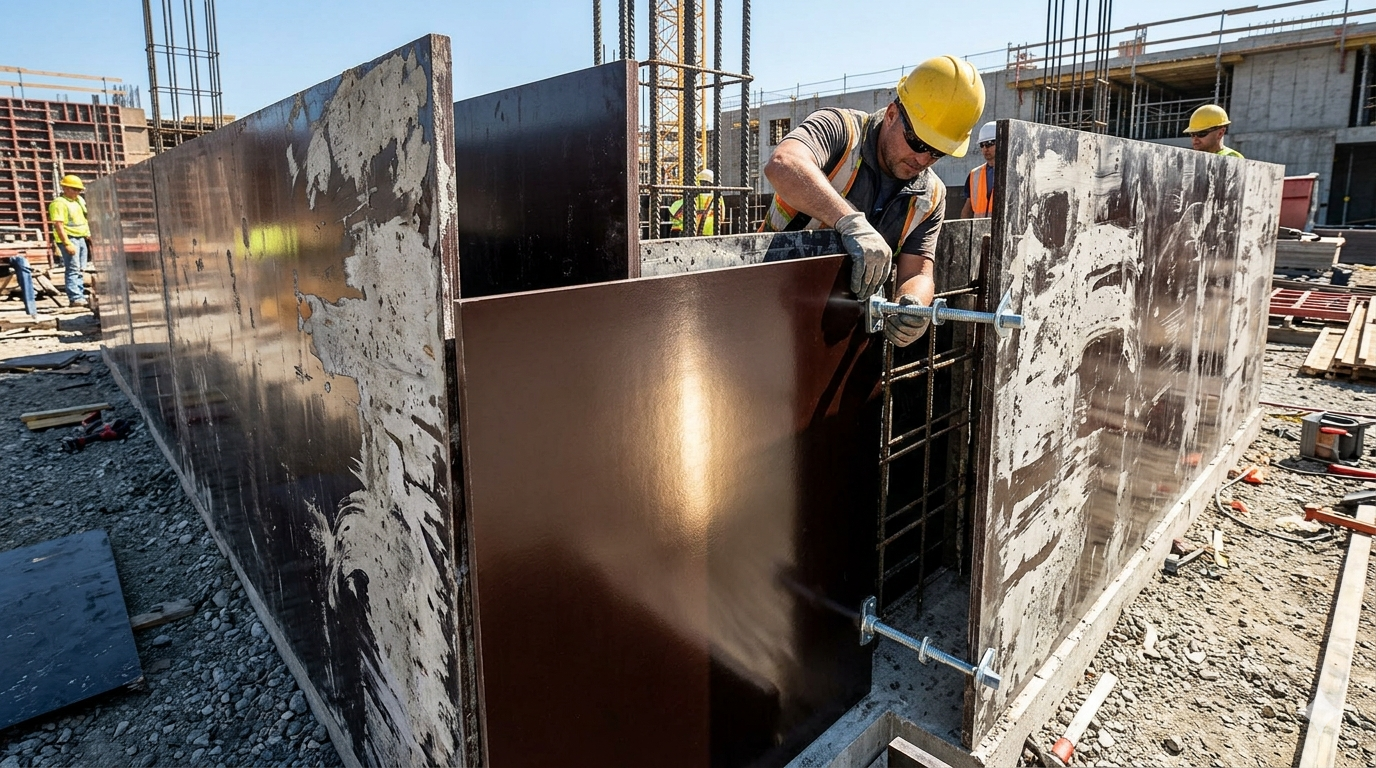
Phenolic plywood combines the structural benefits of high-quality plywood with an ultra-durable phenolic film surface coating. This industrial-grade material is engineered specifically for concrete formwork, heavy construction, and applications requiring maximum reusability and weather resistance.
The phenolic resin surface creates a smooth, non-porous barrier that prevents concrete adhesion and moisture penetration. This coating also provides superior resistance to abrasion, chemicals, and UV degradation. Quality phenolic plywood can be reused 50-100 times in concrete forming applications, dramatically reducing material costs in commercial construction.
Beyond formwork, phenolic plywood excels in outdoor applications requiring frequent cleaning, chemical exposure, or heavy wear. The dense surface resists graffiti, simplifies maintenance, and maintains its appearance longer than untreated alternatives.
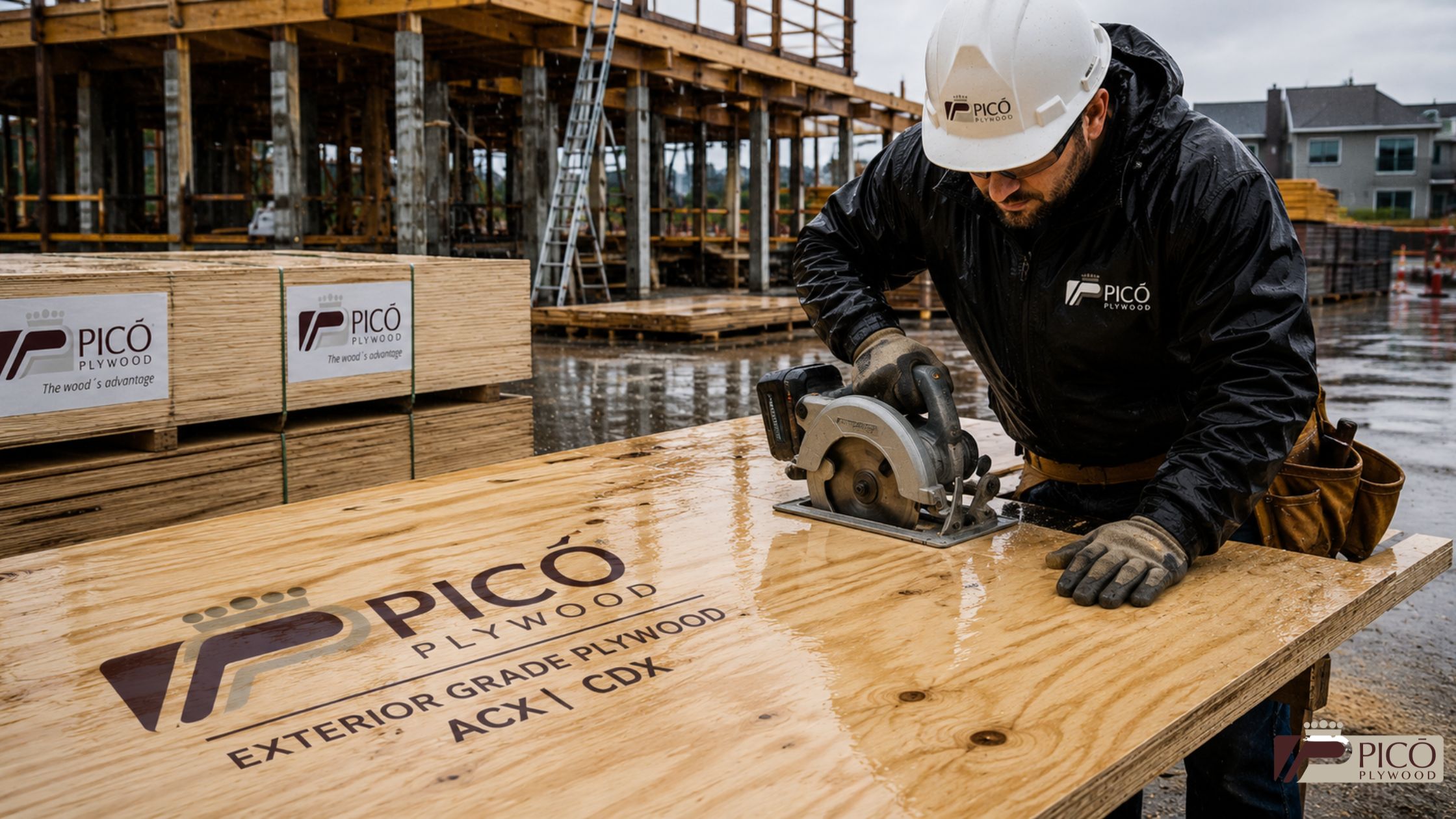
Exterior-grade plywood offers reliable outdoor performance at a more accessible price point than marine or phenolic options. The American Plywood Association (APA) classifies exterior plywood by face veneer quality, with designations like ACX (A-grade face, C-grade back, exterior glue) and CDX (C-grade face, D-grade back, exterior glue).
ACX plywood features a smooth, paintable A-grade face with minimal knots and patches, making it ideal for visible outdoor applications like siding, soffits, and decorative elements. The C-grade back allows more defects but maintains structural integrity.
CDX plywood, the most economical exterior option, contains more knots and imperfections but still uses weather-resistant adhesives suitable for sheathing, subflooring, and applications where appearance is secondary. Both ACX and CDX grades resist moisture better than interior plywood but require proper sealing and maintenance for long-term outdoor exposure.
Pressure-treated plywood undergoes a chemical preservation process that forces preservatives deep into the wood fibers under pressure. This treatment provides excellent protection against rot, decay, and insect damage in ground-contact and high-moisture applications.
The most common preservatives include alkaline copper quaternary (ACQ) and copper azole, which replace older chromated copper arsenate (CCA) formulations. These copper-based treatments create a hostile environment for fungi and insects while maintaining structural wood properties.
Pressure-treated plywood is ideal for deck framing, raised garden beds, ground-contact applications, and permanent outdoor structures. However, the chemical treatment process can affect paint adhesion and requires corrosion-resistant fasteners. Proper safety precautions are essential when cutting or handling pressure-treated materials, as sawdust contains concentrated preservatives.
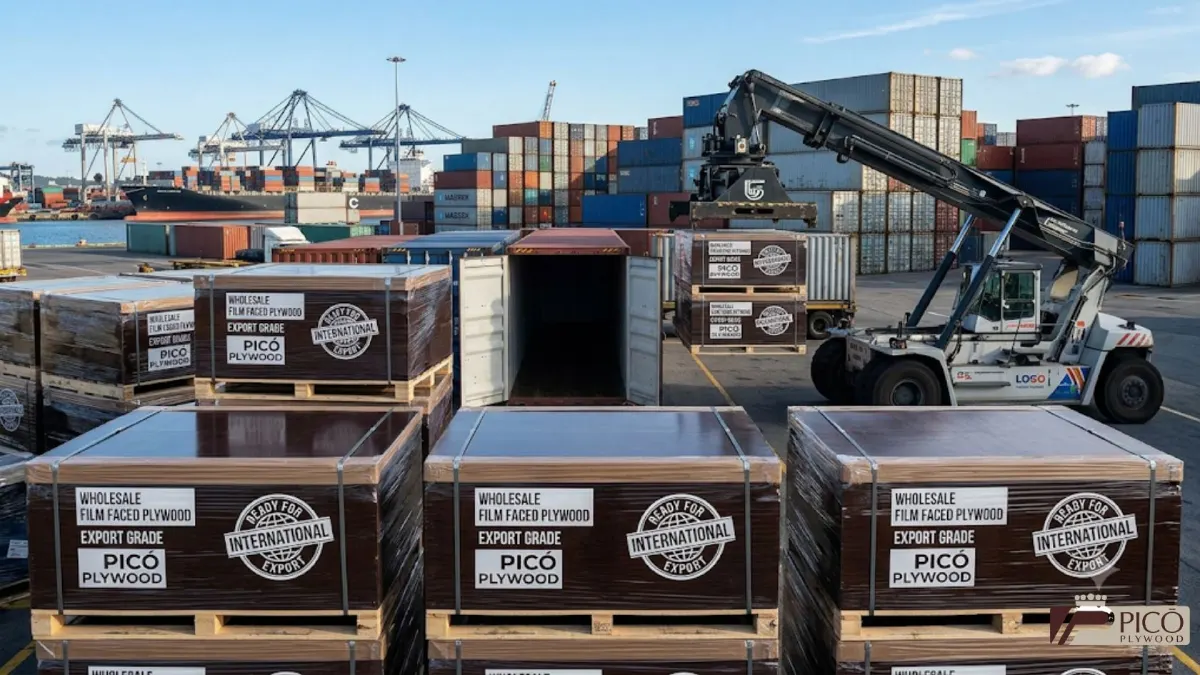
Film faced plywood features a durable overlay film bonded to one or both surfaces, creating a moisture-impervious barrier ideal for construction applications. The film—typically phenolic or melamine resin-impregnated paper—provides a smooth, non-stick surface that releases cleanly from poured concrete.
This plywood type bridges the gap between standard exterior grades and premium phenolic panels, offering enhanced weather resistance and reusability at a moderate price increase. The film coating extends the panel’s service life in outdoor environments by protecting edges and faces from moisture penetration.
Film faced plywood is widely used in concrete formwork, temporary roofing, protective hoarding, and construction site barriers. The smooth surface also makes it suitable for painted outdoor signage and applications where easy cleaning is beneficial.
Direct comparison reveals that each plywood type dominates in specific performance categories, and the “best” choice depends entirely on your project requirements, environmental conditions, and budget constraints.
In continuous water exposure or high-humidity environments, marine plywood clearly outperforms other options. Its void-free core construction prevents water infiltration pathways, and WBP adhesives maintain bond strength even under submersion. Marine plywood can endure decades in marine environments without delamination.
Phenolic plywood offers comparable moisture resistance to marine-grade panels when the phenolic film coating remains intact. The resin surface creates an impenetrable moisture barrier superior to unsealed marine plywood faces. However, edge protection is critical—exposed phenolic plywood edges absorb moisture unless properly sealed.
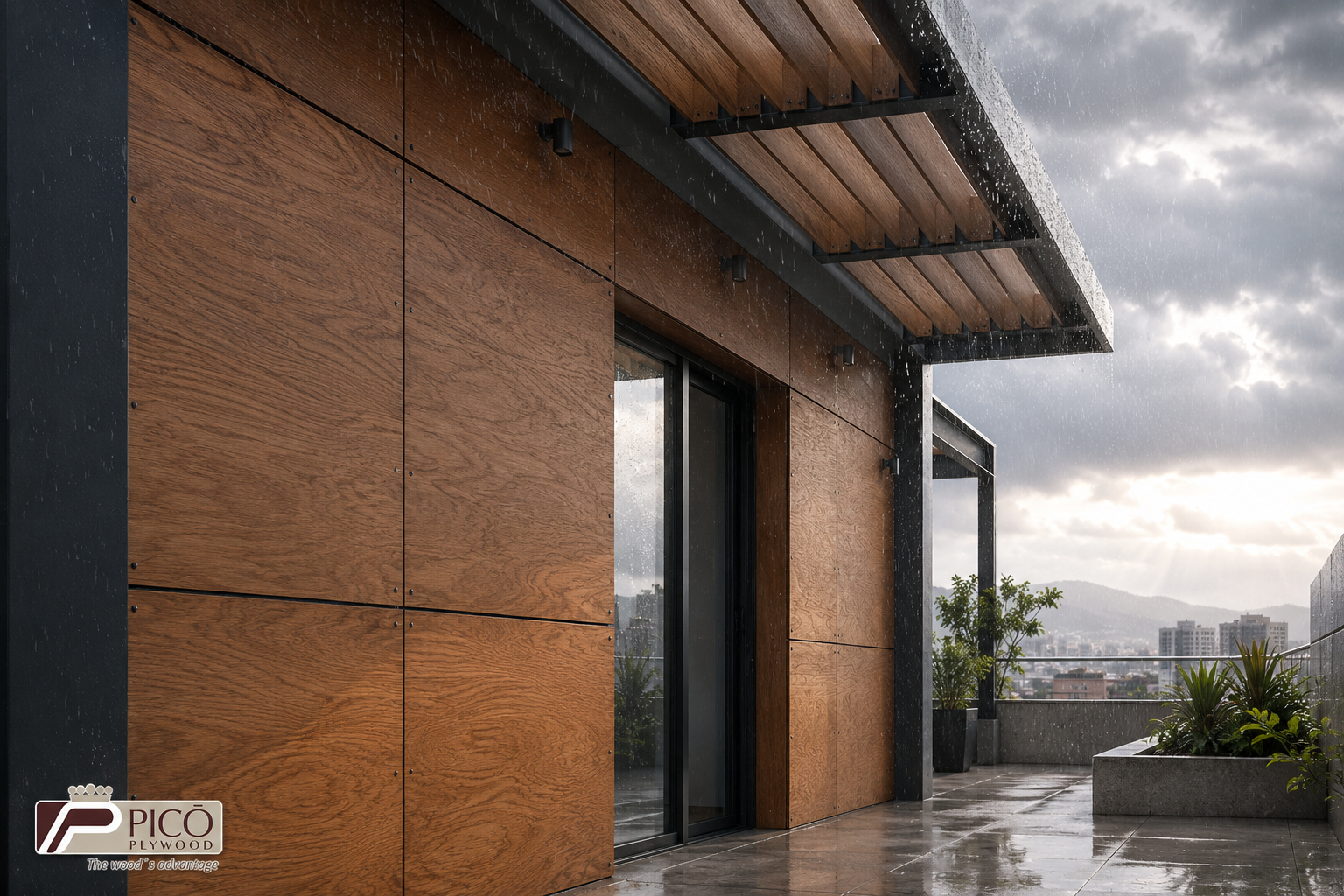
Exterior-grade plywood (ACX/CDX) provides adequate moisture resistance for applications with intermittent water exposure such as roof sheathing, wall cladding, or protected outdoor structures. These panels will deteriorate faster than marine or phenolic options in direct, continuous water contact but perform reliably when properly sealed and maintained.
Marine plywood demonstrates exceptional longevity, with properly maintained installations lasting 25-30+ years even in harsh coastal environments. The premium materials and construction justify the higher initial investment for permanent outdoor structures.
Phenolic plywood’s industrial-grade construction delivers outstanding durability in abrasive, chemical, and weather-exposed applications. The hard phenolic surface resists impact damage and wear that would quickly degrade standard plywood. In concrete formwork use, quality phenolic panels maintain structural integrity through 50-100 reuse cycles, translating to years of service in construction environments.
Exterior-grade plywood typically provides 10-20 years of service in above-ground, protected outdoor applications when properly finished and maintained. Lifespan decreases significantly without adequate sealing, edge protection, and periodic refinishing. Ground-contact applications require pressure-treated options to prevent premature rot and decay.
Marine plywood commands premium pricing—typically 2-3 times the cost of exterior-grade alternatives—but delivers unmatched performance in demanding applications. For boat building, docks, or permanent marine structures, the extended lifespan and reliability justify the initial investment.
Phenolic plywood occupies the middle ground, costing 40-80% more than standard exterior grades but significantly less than marine plywood. The reusability factor in formwork applications makes phenolic plywood highly cost-effective despite higher upfront costs—a single phenolic panel replaces dozens of standard plywood sheets over its service life.
Exterior-grade plywood offers the best value for general outdoor projects with moderate moisture exposure. ACX and CDX panels cost 30-50% less than marine alternatives and perform adequately when properly protected. For budget-conscious projects like shed construction or temporary outdoor structures, exterior grades provide excellent cost-performance balance.
A systematic selection process ensures you invest in the right material for your specific application, balancing performance requirements with budget constraints and availability.
Begin by categorizing your project’s exposure level and performance demands. Marine and waterfront applications require marine-grade materials, while general outdoor structures may perform well with exterior grades.
Consider these project categories:
The project’s expected lifespan also influences material selection—permanent installations justify premium materials, while temporary structures may use economical alternatives.
Evaluate your local climate and the specific microenvironment where the plywood will be installed. Coastal regions with salt air and high humidity demand superior moisture resistance compared to arid inland climates.
According to exterior plywood performance and durability research, key environmental factors include:
Direct weather exposure (uncovered, vertical rain exposure) requires marine or phenolic grades, while protected installations under eaves or roof coverage perform adequately with standard exterior plywood.
Plywood thickness directly impacts structural strength, spanning capability, and cost. Outdoor applications typically require thicker panels than interior uses due to weather loading and moisture-induced dimensional changes.
Common thickness recommendations:
Thicker panels resist warping and provide greater fastener holding power, critical for outdoor installations subjected to wind loads and moisture cycling. However, excessive thickness adds unnecessary cost and weight—match thickness to actual structural requirements.
The lowest-priced option rarely delivers the best value in outdoor applications. Calculate total cost of ownership including initial material cost, finishing products, maintenance requirements, and expected replacement interval.
A cost-effectiveness analysis might reveal:
Consider labor costs, accessibility for future replacement, and project criticality when making price-performance trade-offs. For difficult-to-access installations or permanent structures, premium materials prevent costly future repairs.
Understanding how different plywood types perform in specific applications helps contractors and DIY builders select optimal materials for their projects.
Outdoor flooring demands plywood that resists moisture, supports heavy loads, and maintains dimensional stability through seasonal weather changes. Marine plywood or pressure-treated exterior-grade panels rated for ground contact provide the best performance in deck applications.
For elevated decks with proper drainage and ventilation, 3/4-inch ACX exterior plywood creates a solid substrate for composite decking, tile, or outdoor carpeting. The smooth A-grade face provides an excellent bonding surface for adhesives and finishes.
Ground-level patios and deck framing require pressure-treated plywood to prevent rot from ground moisture and insect damage. Apply waterproof membrane or heavy-duty deck coating to all plywood decking to extend service life and prevent water infiltration through fastener penetrations.
Small outdoor structures like sheds, playhouses, and storage buildings perform well with cost-effective exterior-grade plywood when properly protected from direct weather exposure.
Recommended materials by component:
Proper flashing, overhangs, and drainage details are as important as material selection. Even premium plywood will fail prematurely if water is allowed to pool against surfaces or penetrate through unsealed edges.
Phenolic plywood dominates the concrete formwork market due to its smooth non-stick surface, exceptional reusability, and resistance to the alkaline environment of wet concrete.
Phenolic plywood offers formwork contractors:
For residential or small-scale concrete projects, film-faced or exterior-grade plywood provides economical alternatives for single-use or limited-reuse applications. Always use form-release agents and clean panels immediately after stripping to maximize reusability.
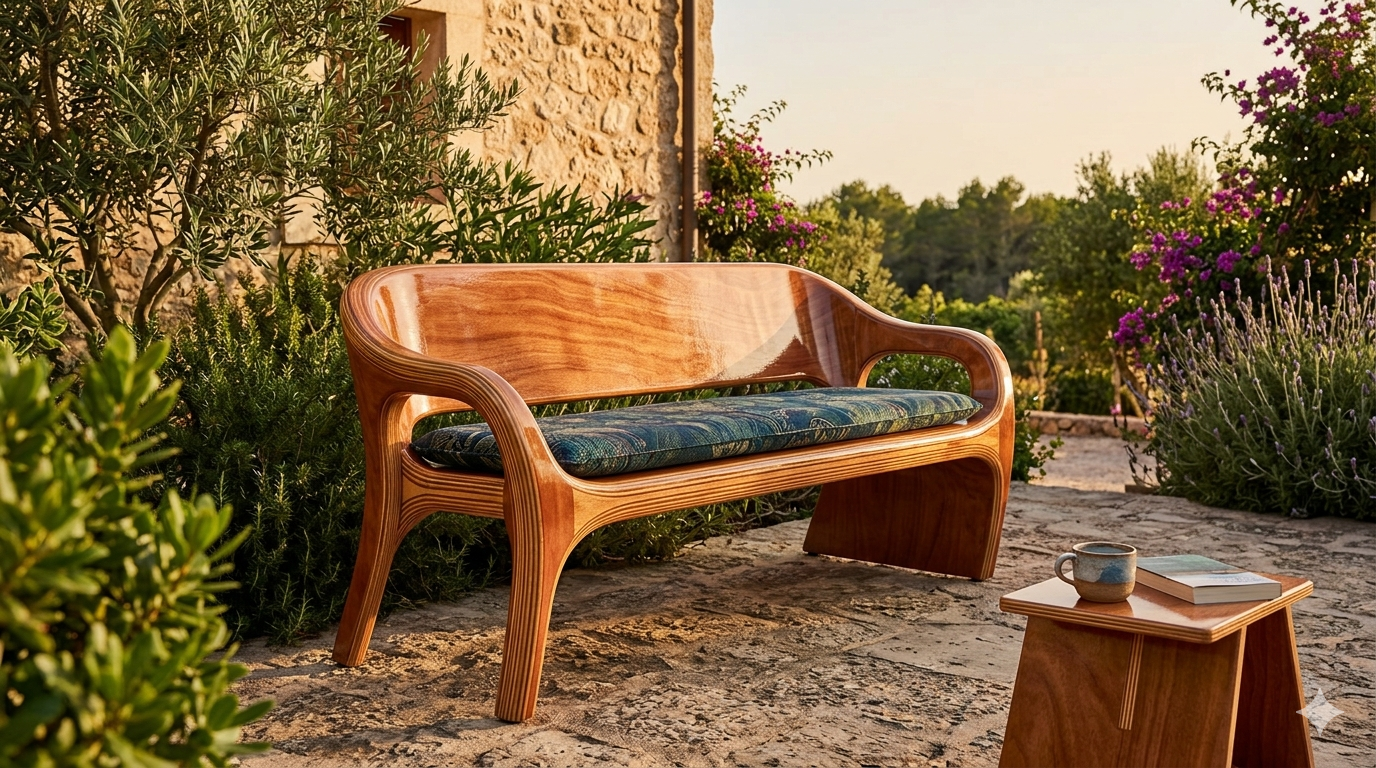
Marine plywood is the preferred choice for outdoor furniture construction, offering the water resistance and void-free construction necessary for long-lasting pieces exposed to weather.
The smooth, defect-free faces of marine plywood accept paint and marine varnish beautifully, creating professional-looking furniture that withstands years of outdoor use. 3/4-inch marine plywood provides adequate strength for most furniture applications including tables, benches, and storage chests.
For budget-conscious projects, ACX exterior plywood produces acceptable outdoor furniture when all edges are sealed and surfaces receive multiple coats of exterior-grade finish. Avoid CDX grades for visible furniture applications—the rough, defective faces detract from appearance and complicate finishing.
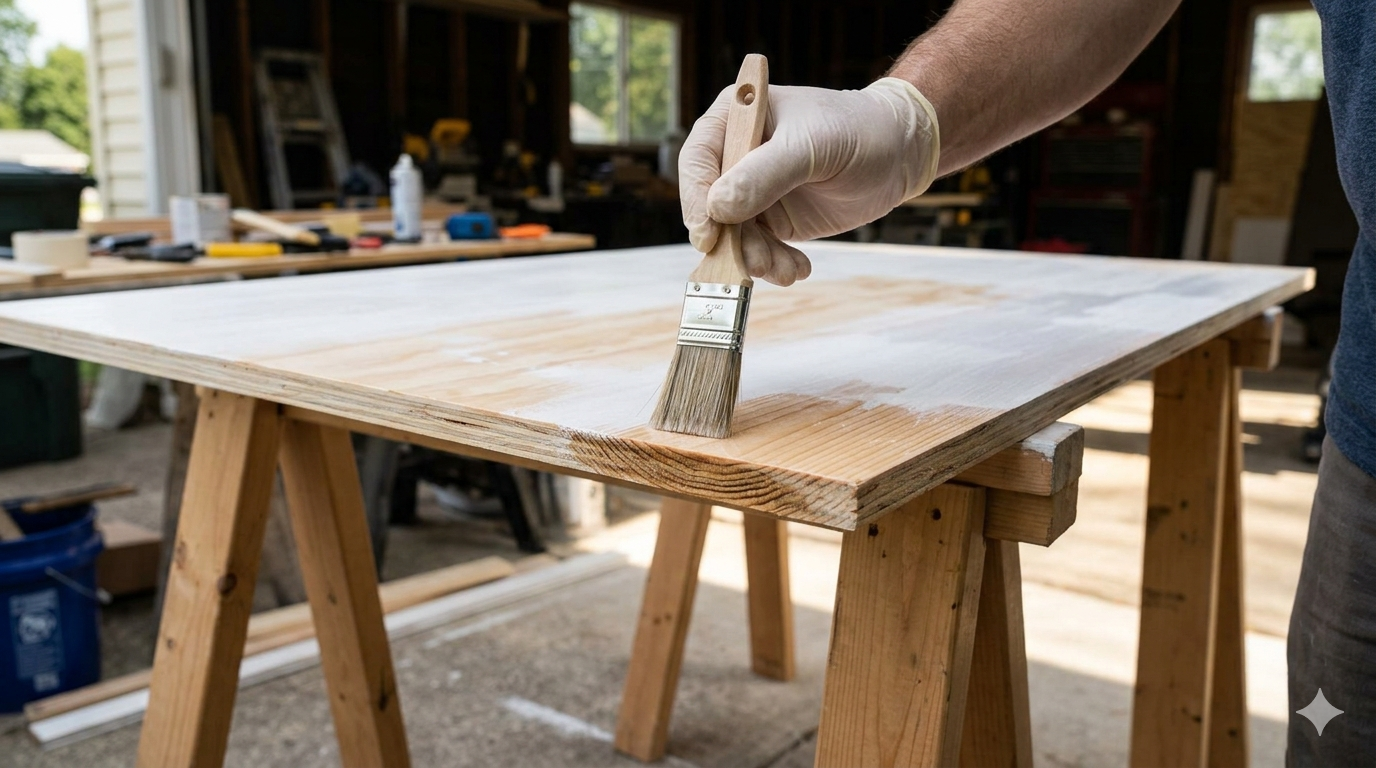
Even premium outdoor plywood will fail prematurely if improperly selected, installed, or maintained. Understanding these frequent errors helps ensure project success and longevity.
Choosing Interior Plywood for Outdoor Applications: The most critical mistake involves using interior-grade plywood (marked “INTERIOR” or “EXPOSURE 1”) in exterior applications. Interior plywood uses moisture-resistant rather than waterproof adhesives that delaminate quickly when exposed to weather. Even brief rain exposure can initiate failure in interior panels. Always verify the grade stamp indicates “EXTERIOR” before purchasing plywood for outdoor use.
Failing to Seal Cut Edges: Plywood edges absorb moisture at 5-10 times the rate of face surfaces because the end-grain wood fibers act like drinking straws, wicking water into the core layers. Every cut edge must be sealed with waterproof wood glue, epoxy, or quality exterior primer before installation. This simple step dramatically extends outdoor plywood lifespan but is frequently overlooked in rushed installations.
Selecting Inadequate Thickness: Undersized plywood deflects excessively under load, creating stress cracks in finishes and accelerating moisture intrusion. Many builders default to 1/2-inch plywood for outdoor projects when 5/8-inch or 3/4-inch panels better resist the warping forces created by moisture cycling and UV exposure. Thicker panels also provide better fastener holding power, critical for outdoor applications subjected to wind loads.
Ignoring Exposure Ratings and Climate Factors: Plywood suitable for covered outdoor use in Arizona may fail rapidly in coastal Washington. Salt air, high humidity, freeze-thaw cycles, and intense UV radiation all impact plywood performance. Marine-grade and phenolic plywood justify their premium cost in harsh climates, while standard exterior grades may suffice in mild, protected environments. Assess your specific exposure conditions rather than applying generic recommendations.
Proper finishing and installation techniques extend plywood service life significantly, often doubling or tripling the expected lifespan compared to untreated panels.
Complete moisture barrier systems involve multiple product layers applied in the correct sequence. The most effective approach combines edge sealing, primer coats, and topcoat finishes matched to exposure severity.
For maximum protection, follow this finishing schedule:
Marine-grade epoxy systems offer the ultimate protection for plywood in harsh environments. Two-part epoxy sealers penetrate deeply, displace moisture, and cure to form impermeable barriers. Epoxy coating systems can enable exterior-grade plywood to perform nearly as well as marine plywood in high-moisture applications.
For detailed wood protection strategies, consult resources from wood protection and durability research organizations that provide science-based finishing recommendations.
Installation details determine whether outdoor plywood thrives or fails prematurely. Water management represents the single most important installation consideration.
Critical installation practices include:
Avoid trapping moisture against plywood by ensuring air can circulate on both sides of panels when possible. Vapor barriers should face the warm side of the assembly to prevent condensation within the panel structure.
Regular inspection and preventive maintenance dramatically extend outdoor plywood life. Establish a seasonal maintenance schedule appropriate to your climate and exposure conditions.
Quarterly maintenance checklist:
Annual deep maintenance should include:
Early intervention prevents minor coating damage from becoming major structural failures. A $50 annual maintenance investment protects thousands of dollars in plywood and prevents premature replacement.
Picó Plywood has established itself as a trusted supplier of premium outdoor plywood products, serving contractors, builders, and industrial clients who demand exceptional quality and reliable performance.
Quality Assurance: Every panel undergoes rigorous inspection to verify adhesive type, core construction, and grading accuracy. We reject substandard materials that marginally meet specifications but won’t deliver long-term outdoor performance.
Technical Expertise: Our team provides application-specific recommendations based on decades of experience supplying plywood for marine, construction, and industrial projects. We help customers select the optimal material grade and thickness for their specific exposure conditions and performance requirements.
Competitive Pricing: Direct manufacturer relationships and efficient logistics enable us to offer premium outdoor plywood at competitive prices. Volume discounts are available for contractors and builders requiring multiple sheets or ongoing supply arrangements.
Reliable Availability: We maintain substantial inventory of popular outdoor plywood configurations for immediate shipment. Custom sizes, thicknesses, and wood species can be sourced to meet specialized project requirements.
Whether you’re building a boat, forming concrete, constructing outdoor structures, or manufacturing marine-grade furniture, Picó Plywood delivers the materials and expertise to ensure project success.
Contact our plywood specialists to discuss your specific outdoor project requirements and receive personalized material recommendations backed by technical knowledge and industry experience.
The best plywood for outdoor use depends on your specific application and environmental exposure. Marine plywood offers superior performance in high-moisture and submersion applications, phenolic plywood excels in industrial and formwork use, and exterior-grade plywood (ACX/CDX) provides cost-effective protection for general outdoor projects. For most residential outdoor structures, properly sealed ACX exterior plywood delivers excellent performance, while marine or phenolic grades are reserved for demanding professional applications.
Marine plywood is highly water-resistant but not technically “waterproof” in absolute terms. It uses waterproof WBP (Weather and Boil Proof) adhesives that maintain bond strength even when submerged, and its void-free construction prevents water infiltration pathways. However, the wood itself will absorb moisture unless sealed with marine varnish, epoxy, or paint. Properly finished marine plywood can withstand decades of continuous water exposure in boat building and marine applications, but unfinished panels will eventually absorb water and may develop surface checking or splitting.
Regular interior-grade plywood should never be used in outdoor applications as it uses moisture-resistant (not waterproof) adhesives that quickly fail when exposed to weather. The plywood will delaminate, warp, and rot within months of exterior exposure. Only plywood specifically graded “EXTERIOR” with waterproof adhesives should be used outdoors. Even exterior-grade plywood requires proper sealing, finishing, and protection from direct weather exposure to maximize service life. For any outdoor project, invest in properly rated exterior, marine, or phenolic plywood rather than risking premature failure with interior materials.
Outdoor plywood lifespan varies dramatically based on material grade, finishing, installation quality, and exposure severity. Marine plywood in properly maintained marine applications can last 25-30+ years, phenolic plywood in formwork may provide 50-100 reuse cycles over multiple years, and exterior-grade plywood typically delivers 10-20 years in protected outdoor applications. Unfinished exterior plywood in direct weather exposure may deteriorate within 2-5 years, while the same material properly sealed, painted, and maintained can serve for 15+ years. Pressure-treated plywood in ground contact applications lasts 15-25 years depending on soil conditions and preservative retention levels.
The optimal thickness depends on your specific application’s structural requirements and spanning distances. For general outdoor use: 1/2-inch (12mm) suffices for non-structural wall sheathing, 5/8-inch (15mm) is standard for roof sheathing and moderate subflooring, 3/4-inch (18mm) is recommended for decking and structural flooring, and 1-inch+ (25mm) provides strength for heavy-duty benches and marine transoms. Thicker panels resist warping from moisture cycling and provide better fastener holding power, both critical for outdoor performance. However, excessive thickness adds cost and weight without proportional benefits—consult span tables and local building codes to determine minimum thickness, then consider increasing by one size grade for outdoor applications to account for moisture-induced dimensional changes.
Selecting the correct plywood is a technical decision that directly impacts the safety, durability, and cost-efficiency of your construction project. Whether you need marine plywood for water-exposed environments, phenolic plywood for heavy-duty industrial uses, or film faced plywood for concrete formwork, the right specification makes all the difference.
pico Plywood Contact
Contact Information
To learn more about our Plywood Products or discuss your project requirements, please reach out to us through the following channels.
This website uses cookies so that we can provide you with the best user experience possible. Cookie information is stored in your browser and performs functions such as recognising you when you return to our website and helping our team to understand which sections of the website you find most interesting and useful.
Strictly necessary cookies must always be enabled so that we can save your cookie setting preferences.
If you deactivate this cookie we will not be able to save your preferences. This means that each time you visit this website you will have to activate or deactivate cookies again.
Esta web utiliza Google Analytics para recopilar información anónima tal como el número de visitantes del sitio, o las páginas más populares.
Dejar esta cookie activa nos permite mejorar nuestra web.
Please enable strictly necessary cookies first so we can save your preferences!