
pico Plywood Contact
Contact Information
To learn more about our Plywood Products or discuss your project requirements, please reach out to us through the following channels.
PLYWOOD
Learn what is phenolic plywood, how it is made, its main uses, advantages and differences vs marine plywood for construction and industrial applications.
Table of Contents for the Article
Phenolic plywood is a high-performance engineered wood panel manufactured by bonding multiple layers of wood veneers with phenolic resin, a thermosetting synthetic adhesive known for its exceptional durability and resistance to moisture, chemicals, and extreme environmental conditions. Unlike standard plywood, which typically uses urea-formaldehyde or other less resistant adhesives, phenolic plywood offers superior structural integrity and longevity, making it the preferred choice for demanding industrial, construction, and outdoor applications.
The key difference between phenolic plywood and conventional plywood lies in the bonding agent and manufacturing process. Phenolic resin penetrates deeply into the wood fibers during hot-press curing, creating a virtually impermeable bond that withstands water exposure, temperature fluctuations, and mechanical stress far better than standard alternatives.
In industrial and professional contexts, phenolic plywood is extensively used in concrete formwork, scaffolding, marine applications, vehicle flooring, and outdoor structures where performance reliability is non-negotiable. Its resistance to delamination and decay ensures it can be reused multiple times, offering significant cost efficiency over its service life.
Phenolic plywood is a high-performance engineered wood panel manufactured by bonding multiple layers of wood veneers with phenolic resin, a thermosetting synthetic adhesive known for its exceptional durability and resistance to moisture, chemicals, and extreme environmental conditions. Unlike standard plywood, which typically uses urea-formaldehyde or other less resistant adhesives, phenolic plywood offers superior structural integrity and longevity, making it the preferred choice for demanding industrial, construction, and outdoor applications.
The key difference between phenolic plywood and conventional plywood lies in the bonding agent and manufacturing process. Phenolic resin penetrates deeply into the wood fibers during hot-press curing, creating a virtually impermeable bond that withstands water exposure, temperature fluctuations, and mechanical stress far better than standard alternatives.
In industrial and professional contexts, phenolic plywood is extensively used in concrete formwork, scaffolding, marine applications, vehicle flooring, and outdoor structures where performance reliability is non-negotiable. Its resistance to delamination and decay ensures it can be reused multiple times, offering significant cost efficiency over its service life.
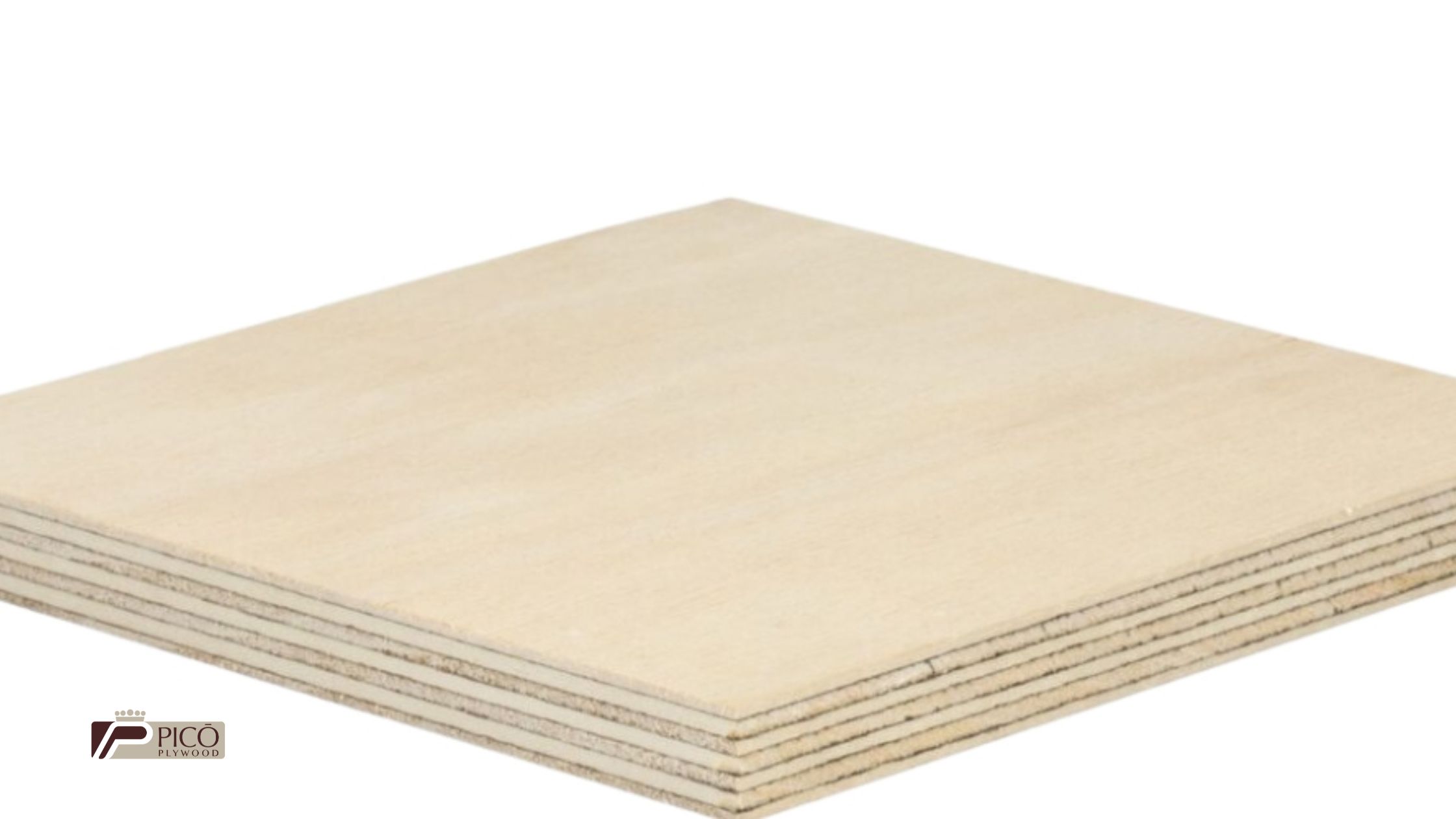
Phenolic plywood is composed of cross-laminated wood veneers bonded with phenolic resin under high heat and pressure. The construction typically involves an odd number of veneer layers (plies) arranged with alternating grain directions to enhance dimensional stability and strength.
The phenolic resin system is what distinguishes this material from standard plywood. During the hot-pressing process, the resin undergoes a chemical curing reaction that creates irreversible cross-linked bonds, resulting in a panel that is highly resistant to moisture, chemicals, and biological degradation. This manufacturing method produces a panel where the adhesive and wood become a unified composite material rather than simply layered components.
Phenolic resins are synthetic polymers created through the reaction of phenol and formaldehyde. When properly cured, they exhibit remarkable chemical and physical properties that make them ideal for demanding applications:
Chemical and Moisture Resistance: Phenolic resin bonds are highly resistant to water, acids, alkalis, and solvents. This resistance prevents adhesive degradation in wet or chemically aggressive environments, maintaining bond integrity where other adhesives would fail.
Thermal Stability: Phenolic resins maintain their structural properties across wide temperature ranges, from freezing conditions to elevated temperatures. This thermal stability ensures consistent performance in varying climates and industrial processes.
Superior Structural Adhesion: The cross-linked molecular structure of cured phenolic resin creates exceptionally strong bonds between wood veneers. This adhesion prevents delamination even under cyclical loading, impact, or prolonged exposure to harsh conditions.
For technical specifications on phenolic resins and their performance characteristics, industry standards such as EN 314-2 (plywood bonding quality) and EN 636 (plywood specifications) provide comprehensive guidelines.
The wood veneer core in phenolic plywood typically consists of hardwood species such as birch, eucalyptus, or poplar. These species are selected for their density, strength, and uniform grain structure, which contribute to the overall performance of the finished panel.
The quality and consistency of the core material directly affect the panel’s mechanical properties and dimensional stability. High-grade phenolic plywood uses defect-free veneers with controlled moisture content, ensuring uniform bonding and minimizing the risk of warping or void formation during manufacturing.
Phenolic plywood’s exceptional durability and resistance to environmental degradation make it suitable for a wide range of professional and industrial applications. Its ability to withstand moisture, chemical exposure, and repeated mechanical stress positions it as a reliable material across construction, manufacturing, and marine sectors.
One of the most common uses of phenolic plywood is in concrete formwork systems. The material’s smooth, non-porous surface produces high-quality concrete finishes, while its moisture resistance prevents water absorption that would otherwise compromise dimensional accuracy and surface quality.
Compared to standard plywood or OSB, phenolic plywood offers significantly longer service life in formwork applications. Its resistance to concrete alkalinity and mechanical abrasion allows for multiple reuse cycles—often 20 to 50 pours or more depending on handling and maintenance—resulting in lower material costs per pour and reduced waste.
The reusability of phenolic plywood in construction sites translates to substantial economic and environmental benefits. Contractors benefit from reduced material procurement frequency, while the extended lifespan minimizes disposal and replacement requirements.
Beyond formwork, phenolic plywood is extensively used in outdoor structures, industrial flooring, vehicle interiors, and marine applications. Its performance in demanding environments where standard materials would rapidly deteriorate makes it indispensable for:
Scaffolding and temporary structures: Resistance to weather exposure and repeated loading cycles.
Truck and trailer flooring: Ability to withstand abrasion, impact, and moisture from cargo.
Agricultural and livestock facilities: Resistance to cleaning chemicals and biological contamination.
Exterior cladding and architectural panels: Long-term dimensional stability in outdoor installations.
While both phenolic plywood and marine plywood are designed for moisture-resistant applications, they differ significantly in adhesive systems, manufacturing standards, and intended use. Understanding these distinctions helps in selecting the appropriate material for specific applications.
Phenolic plywood uses phenol-formaldehyde resin throughout its construction, creating exceptionally strong and waterproof bonds. The manufacturing process involves high-temperature pressing that fully cures the resin, resulting in a panel with superior chemical and moisture resistance.
Marine plywood, while also using waterproof adhesive (often phenolic or similar), is manufactured with higher-grade veneers that are free from voids and gaps. The emphasis is on structural integrity for boat building and permanent marine installations, where even minor defects could compromise safety.
Both materials perform well in wet environments, but their optimal applications differ:
Phenolic plywood excels in industrial settings with repeated exposure cycles—wet/dry, hot/cold—and is designed for frequent reuse. Its surface is typically optimized for easy release from concrete or for heavy-duty flooring.
Marine plywood is engineered for continuous immersion or exposure to marine environments, where long-term structural stability is critical. It is the preferred choice for boat hulls, decks, and permanent marine structures.
For detailed information on marine plywood specifications and applications, visit our Marine Plywood.
Another common comparison in the construction industry is between phenolic plywood and film faced plywood. While both are used in concrete formwork, they differ in surface treatment and performance characteristics.
Phenolic plywood has phenolic resin integrated throughout the panel, meaning the moisture resistance is inherent to the material structure, not just a surface treatment.
Film faced plywood, on the other hand, consists of standard plywood with a phenolic film overlay applied to one or both surfaces. This surface film provides a smooth, waterproof layer that facilitates concrete release and protects the core from moisture penetration during use.
Both materials can be reused multiple times in formwork, but their wear patterns differ:
Film faced plywood typically offers a slightly higher number of reuse cycles (up to 50-80 pours with proper care) due to its hard, protective surface layer. However, once the film is damaged or worn through, the underlying plywood becomes vulnerable.
Phenolic plywood has consistent performance throughout its thickness, meaning that surface wear does not dramatically reduce its protective properties. It is often chosen for heavy-duty applications where impact resistance and structural integrity are paramount.
For more details on film faced plywood and its specific benefits, explore our film faced plywood
Like any engineered material, phenolic plywood has distinct advantages and some limitations that should be considered when evaluating its suitability for a given application.
Exceptional Moisture and Chemical Resistance: The phenolic resin bonding system provides superior resistance to water, alkalis, acids, and solvents, preventing delamination and decay in harsh environments.
Long Service Life: Phenolic plywood can be reused many times in demanding applications like concrete formwork, offering significant cost savings over time.
Dimensional Stability: The cross-laminated veneer construction and phenolic bonding minimize warping, swelling, and shrinkage, maintaining tight tolerances in precision applications.
High Strength-to-Weight Ratio: Despite its durability, phenolic plywood remains lighter than many alternative materials such as steel or composite panels, facilitating easier handling and installation.
Higher Initial Cost: Phenolic plywood typically has a higher upfront cost compared to standard plywood. However, this is offset by its extended lifespan and reusability, making it more economical in the long run for projects with multiple uses.
Weight Considerations: While lighter than metal alternatives, phenolic plywood is denser and heavier than standard softwood plywood, which may require consideration in structural load calculations or manual handling.
Phenolic plywood is highly water-resistant rather than completely waterproof. The distinction is important:
Water-resistant materials can withstand prolonged exposure to moisture without significant degradation, but they are not intended for permanent submersion or continuous direct water contact.
Waterproof materials, by contrast, completely prevent water penetration under all conditions.
In practice, phenolic plywood can perform exceptionally well in outdoor and wet environments—including formwork where it is repeatedly exposed to wet concrete—but for applications requiring permanent water immersion, marine-grade plywood or alternative materials may be more appropriate.
The service life of phenolic plywood depends on several factors, including application type, environmental conditions, and maintenance practices.
Usage Intensity: Panels subjected to heavy mechanical stress, impact, or abrasion will wear faster than those in less demanding applications.
Environmental Exposure: Continuous exposure to UV radiation, extreme temperatures, or corrosive chemicals can accelerate degradation, although phenolic plywood is significantly more resistant than standard materials.
Maintenance: Proper cleaning, storage, and handling extend the usable life of phenolic plywood. Removing concrete residues, avoiding excessive impact, and storing panels in dry conditions between uses all contribute to maximizing durability.
In concrete formwork applications, phenolic plywood typically achieves 20 to 50 reuse cycles, depending on the quality of the panel, the complexity of the formwork, and jobsite handling practices. With meticulous care and proper release agents, some panels may exceed 80 pours, delivering exceptional value compared to disposable or lower-grade alternatives.
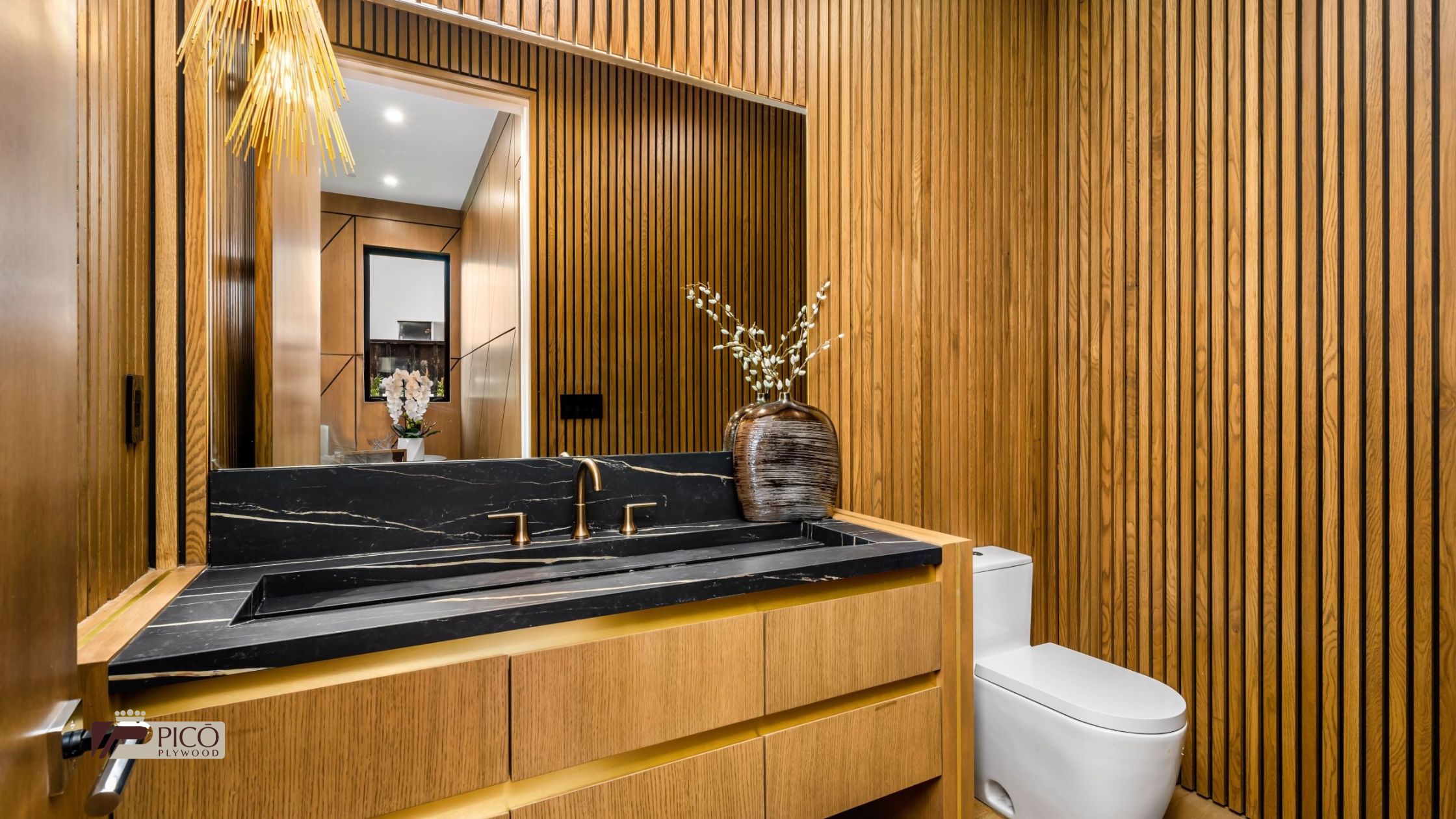
Phenolic plywood is available in various grades and thicknesses to suit different structural and performance requirements.
Standard thicknesses for phenolic plywood range from 9mm to 21mm, with 12mm, 15mm, and 18mm being the most commonly used in construction and industrial applications:
9-12mm: Suitable for lightweight formwork, interior paneling, or vehicle interiors where reduced weight is beneficial.
15-18mm: The most versatile range, used extensively in concrete formwork, scaffolding, and structural applications.
21mm and above: Reserved for heavy-duty applications requiring maximum strength and rigidity, such as truck flooring or industrial platforms.
Phenolic plywood quality is governed by international standards such as:
EN 636: European standard specifying requirements for plywood for use in construction, including moisture resistance classifications.
EN 314-2: Defines bonding quality requirements, with Class 3 representing the highest level of weather and boil-proof bonding.
BS 1088: British standard for marine plywood, sometimes used as a reference for phenolic plywood in marine-grade applications.
At Picó Plywood, we understand that material quality and reliability are critical to the success of your projects. Our phenolic plywood panels are manufactured to the highest industry standards, ensuring consistent performance across demanding applications.
Our phenolic plywood panels are produced using premium hardwood veneers and certified phenolic resin systems, with rigorous quality control at every stage of manufacturing. Each batch undergoes:
Material inspection: Veneers are graded for defects, moisture content, and density to ensure uniform performance.
Bonding quality testing: Panels are tested for adhesive integrity, delamination resistance, and compliance with EN 314-2 Class 3 standards.
Dimensional accuracy: Thickness tolerances and flatness are verified to meet construction and industrial specifications.
Whether you’re specifying materials for concrete formwork, marine projects, industrial flooring, or specialized applications, our team provides expert technical guidance to help you select the right phenolic plywood grade and thickness for your specific requirements.
We offer customized solutions for projects with unique dimensional, performance, or logistical needs, backed by our commitment to responsive customer service and reliable delivery.
Explore our full range of Phenolic Plywood
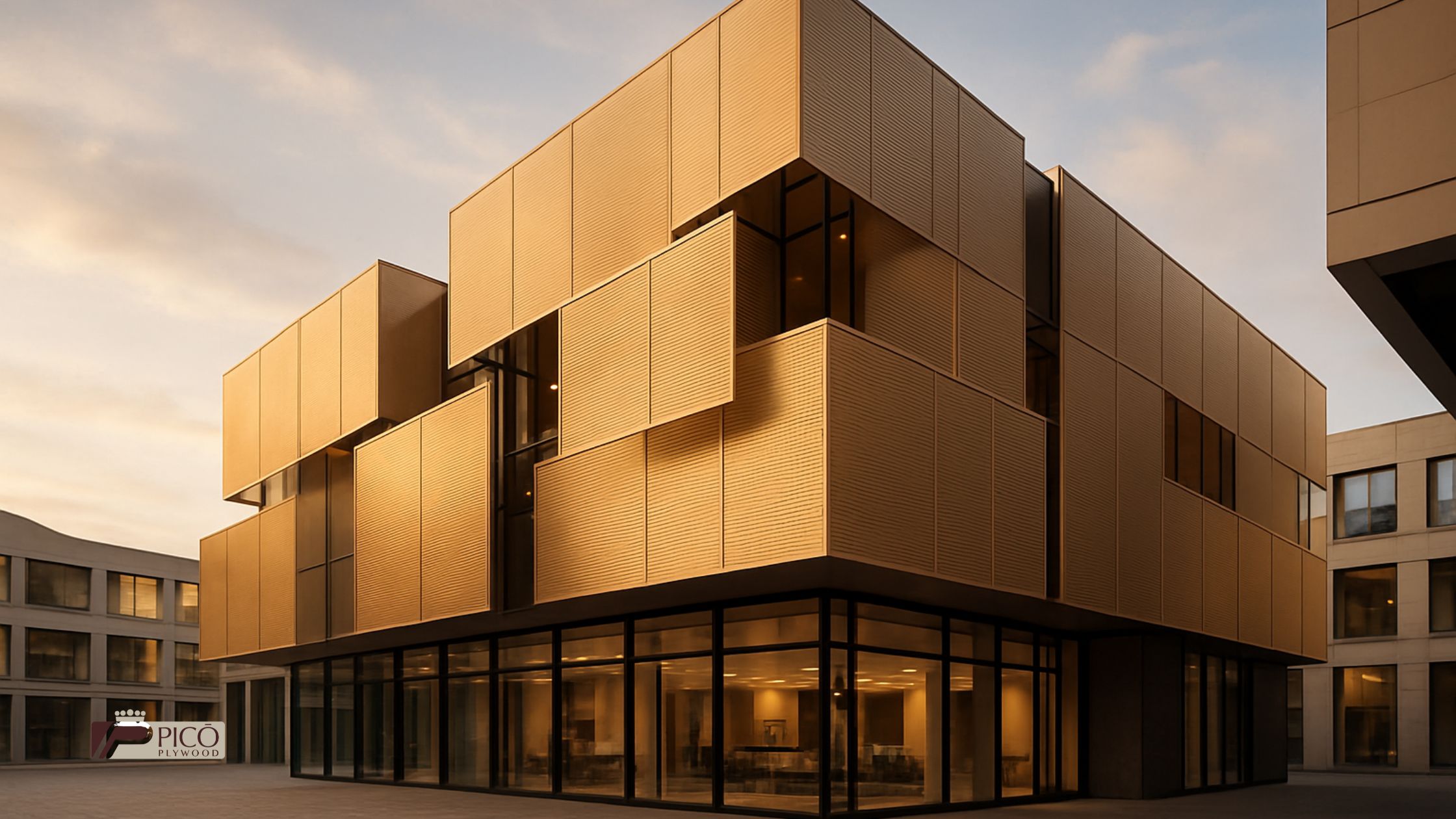
Yes, phenolic plywood is highly suitable for outdoor applications. Its phenolic resin bonding provides exceptional resistance to moisture, UV exposure, and temperature fluctuations, making it ideal for outdoor structures, scaffolding, exterior cladding, and construction formwork. However, for permanent water immersion, marine-grade plywood may be more appropriate.
Absolutely. One of the primary advantages of phenolic plywood is its reusability. In concrete formwork, phenolic plywood can typically be reused 20 to 50 times or more, depending on jobsite conditions and handling practices. Proper cleaning, storage, and use of release agents significantly extend the number of reuse cycles, offering substantial cost savings over the panel’s service life.
Phenolic plywood’s environmental impact depends on several factors. On the positive side, its long service life and reusability reduce material consumption and waste compared to disposable alternatives. Many manufacturers, including Picó Plywood, source veneers from sustainably managed forests and comply with environmental certifications. However, phenolic resin does contain formaldehyde, though modern production methods minimize emissions to meet low-emission standards. At the end of its life, phenolic plywood can be repurposed or responsibly disposed according to local regulations.
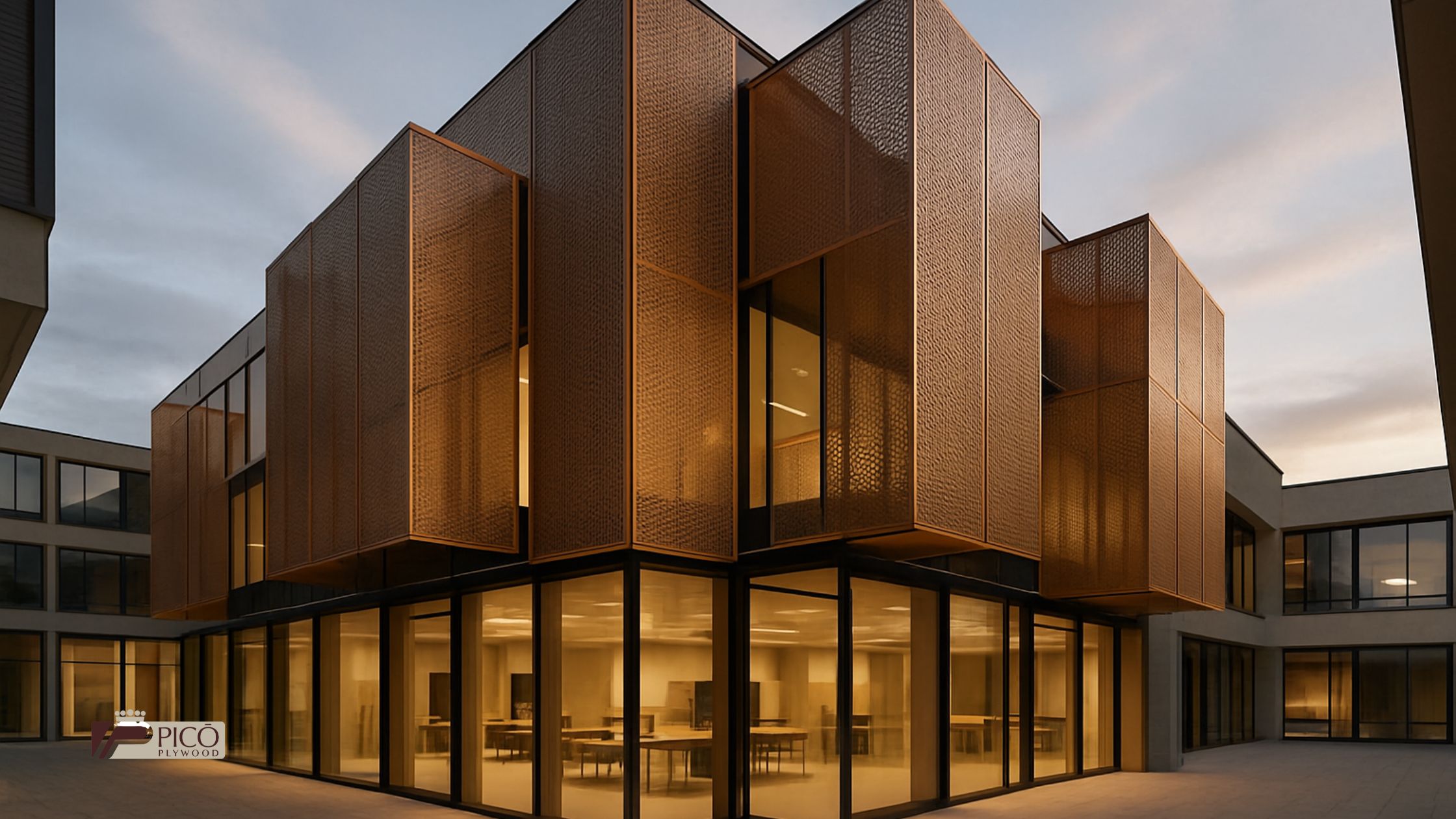
Phenolic plywood represents a premium engineered wood solution that delivers exceptional performance in demanding applications where standard materials fall short. Its phenolic resin bonding system provides unmatched moisture resistance, structural integrity, and longevity, making it the material of choice for professional contractors, industrial operations, and marine applications.
While the initial investment may be higher than conventional plywood, the extended service life and reusability of phenolic plywood translate to lower total cost of ownership and reduced environmental impact through decreased material waste.
Whether you’re planning concrete formwork systems, outdoor structures, industrial flooring, or marine installations, phenolic plywood offers the reliability and performance your project demands. By understanding its properties, applications, and advantages, you can make informed material decisions that ensure project success and long-term value.
pico Plywood Contact
Contact Information
To learn more about our Plywood Products or discuss your project requirements, please reach out to us through the following channels.


Esta web utiliza cookies para que podamos ofrecerte la mejor experiencia de usuario posible. La información de las cookies se almacena en tu navegador y realiza funciones tales como reconocerte cuando vuelves a nuestra web o ayudar a nuestro equipo a comprender qué secciones de la web encuentras más interesantes y útiles.
Strictly necessary cookies must always be enabled so that we can save your cookie setting preferences.
If you deactivate this cookie we will not be able to save your preferences. This means that each time you visit this website you will have to activate or deactivate cookies again.
Esta web utiliza Google Analytics para recopilar información anónima tal como el número de visitantes del sitio, o las páginas más populares.
Dejar esta cookie activa nos permite mejorar nuestra web.
Please enable strictly necessary cookies first so we can save your preferences!