
pico Plywood Contact
Contact Information
To learn more about our Plywood Products or discuss your project requirements, please reach out to us through the following channels.
PLYWOOD
Discover what formaldehyde-free plywood is, its benefits, certifications, and why it is the safest choice for furniture, interiors, and sustainable projects.
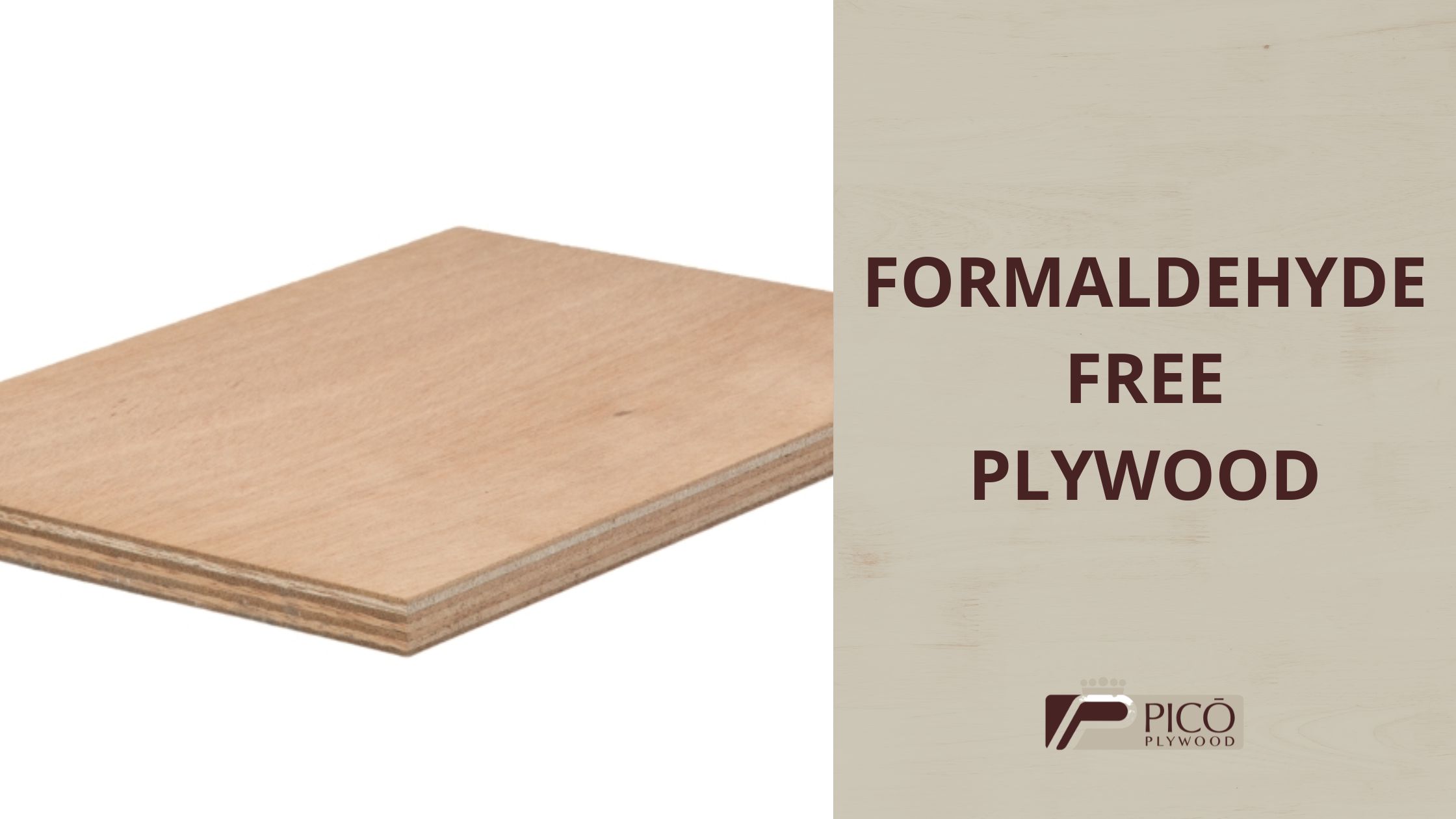
Table of Contents for the Article
Formaldehyde-free plywood represents a fundamental evolution in the plywood industry. Also known as formaldehyde free plywood, NAF plywood, or low formaldehyde plywood, this material has evolved from being a premium option into becoming a standard for projects that prioritize health, sustainability, and regulatory compliance. Eco plywood not only responds to a growing market demand, but also anticipates the stricter regulations that are transforming construction and interior design in Europe.
Awareness of indoor air quality has grown exponentially in recent years. Volatile organic compounds (VOCs) emitted by traditional construction materials, especially formaldehyde present in conventional plywood adhesives, have been identified as a significant risk to human health. This concern is no longer limited to medical or educational environments, but has extended to homes, hotels, offices, and commercial spaces.
New European regulations have tightened the permitted limits for formaldehyde emissions, making many traditional products obsolete or requiring additional certifications. The European directive on indoor air quality and updates to the E1 and E0 classifications have established a more demanding regulatory framework that drives the adoption of formaldehyde-free solutions.
At the same time, demand in sectors such as furniture, interior design, and sustainable construction has grown considerably. Architects, designers, and builders are seeking materials that not only meet technical specifications, but also provide added value in terms of sustainability and well-being. Formaldehyde-free plywood has become a natural response to this triple requirement: health, regulation, and environmental commitment.
Formaldehyde-free plywood is a multilayer board manufactured with wood veneers bonded using adhesives that contain no added formaldehyde or that use alternative resins with virtually zero emissions. The term NAF plywood (No Added Formaldehyde) specifically refers to boards in which no formaldehyde has been added during the manufacturing process, although minimal natural traces may exist in the wood itself, which are insignificant.
To understand the difference, it is important to know the types of traditional adhesives. Urea-formaldehyde (UF) has historically been the most widely used adhesive in plywood manufacturing due to its low cost and good bonding properties. However, it is also the adhesive that generates the highest formaldehyde emissions. Phenol-formaldehyde (PF), used mainly in exterior-grade boards, produces lower emissions but still contains formaldehyde.
Formaldehyde-free adhesives represent the new generation of bonding technologies. These include soy-based resins, MDI (methylene diphenyl diisocyanate), polyurethane (PU) adhesives, and other formulations based on synthetic or natural polymers. These adhesives offer structural strength comparable to or superior to traditional adhesives, with the advantage of virtually eliminating VOC emissions related to formaldehyde.
Formaldehyde is a volatile organic compound (VOC) that occurs naturally in small quantities in many living organisms, including wood. However, problematic concentrations originate from its industrial use as a component of adhesives, resins, and other chemical products used in the manufacture of construction materials. It is a colorless gas with a pungent odor that is gradually released into indoor environments, a process known as off-gassing.
Traditional plywood manufactured with urea-formaldehyde adhesives emits formaldehyde continuously for years. Emissions are most intense during the first months after manufacture, but may persist throughout the material’s entire lifespan. Factors such as temperature, humidity, and ventilation influence the emission rate. In warm and humid environments, emissions tend to increase significantly.
Prolonged exposure to formaldehyde can cause irritation of the eyes, nose, and throat, respiratory difficulties, headaches, and allergic skin reactions. At high concentrations or with prolonged exposure, the International Agency for Research on Cancer (IARC) has classified formaldehyde as a human carcinogen. The most vulnerable groups include children, elderly people, asthmatics, and individuals with chemical sensitivities.
Indoor air quality has become a public health priority, especially after the pandemic, as people spend more time indoors. Modern airtight buildings designed for energy efficiency can accumulate formaldehyde concentrations if appropriate materials and ventilation systems are not used.
The European Union has established strict limits for formaldehyde emissions in wood-based products. The E1 classification sets an emission limit of 0.124 mg/m³ of air, while the more stringent E0 class reduces this limit to 0.050 mg/m³. Some manufacturers offer Super E0 products with even lower emissions. Standard EN 13986 regulates the technical specifications and requirements for wood-based panels used in construction, including formaldehyde limits.
Additionally, regulations such as CARB Phase 2 (California Air Resources Board), although originating in the United States, have become an international reference, and many products marketed in Europe also comply with these standards. European eco-labels and sustainable building certifications such as LEED, BREEAM, or WELL require the use of materials with low or zero formaldehyde emissions.
Standard plywood uses urea-formaldehyde adhesives without special emission restrictions. Although it remains legal for many applications, its use in residential construction and interior spaces is increasingly limited. Its main advantage is its lower cost, but it has the highest formaldehyde emissions among all panel types.
Boards classified as E1 meet the current minimum requirements in Europe for interior use. They use modified urea-formaldehyde or phenolic adhesives that significantly reduce emissions. E0 boards go a step further toward sustainability, with emissions up to 60% lower than E1. These products are suitable for most interior applications and offer a balance between cost and environmental performance.
NAF plywood or formaldehyde-free plywood represents the highest standard in terms of indoor air quality. These boards contain no added formaldehyde in their adhesives, using alternative technologies such as MDI, polyurethane, or natural resins. Formaldehyde emissions are virtually nonexistent, limited only to insignificant natural traces present in the wood.
This specific term refers to boards that have completely eliminated the use of urea-formaldehyde resins, replacing them with safer alternatives. It is important to understand that “urea-formaldehyde-free” does not necessarily mean completely formaldehyde-free if phenol-formaldehyde is used, although emissions would be substantially lower. Therefore, verifying certifications and technical data sheets detailing the exact adhesive used is essential.
In the PicoPlywood catalog, the terms “low formaldehyde plywood” and “urea-formaldehyde-free plywood” refer to products with E0 or higher certifications, designed to meet the most demanding regulations and sustainability project requirements.
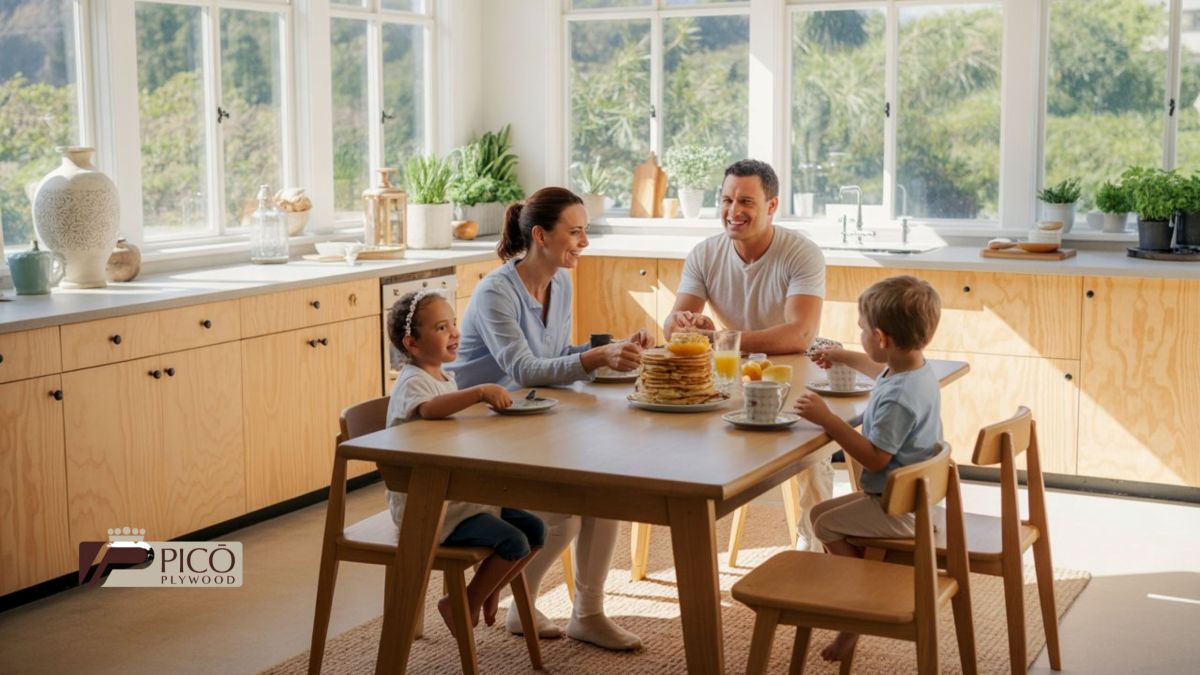
Eliminating formaldehyde emissions directly contributes to a healthier indoor environment. Spaces fitted with formaldehyde-free plywood show significantly lower VOC levels, resulting in cleaner and safer air for occupants. This improvement is especially noticeable in spaces with limited ventilation or climates where windows and doors remain closed for long periods.
Formaldehyde-free plywood is the natural choice for residential projects, especially bedrooms, living rooms, and common areas where people spend many hours. In the hospitality sector, it contributes to guest experience and compliance with sustainability certifications increasingly valued by customers. In public spaces such as schools, hospitals, libraries, and offices, the use of formaldehyde-free materials is essential to protect the health of users and workers.
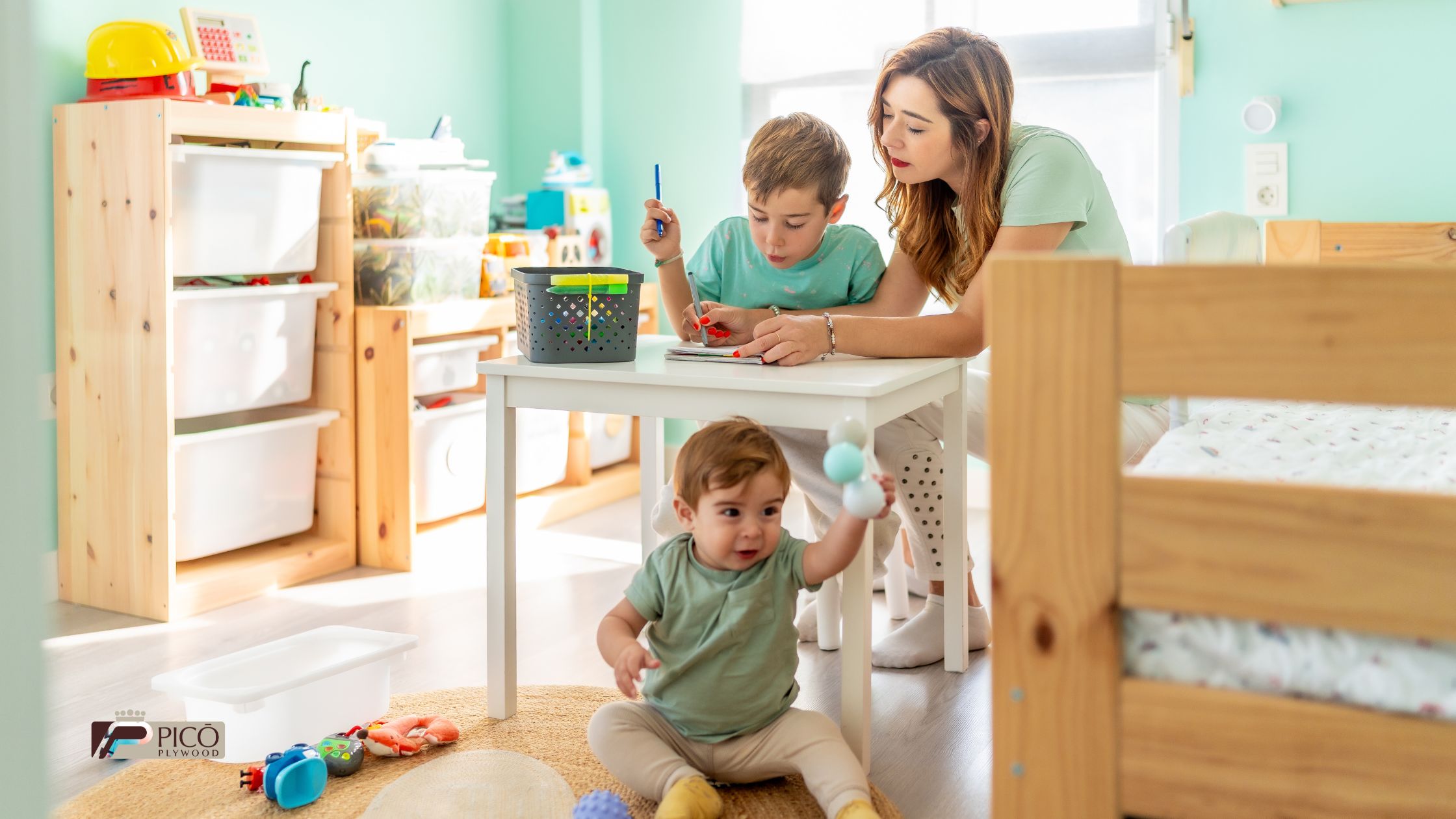
Children are particularly vulnerable to formaldehyde exposure due to higher respiratory rates, developing immune systems, and longer indoor exposure times. Formaldehyde-free plywood eliminates this risk, making it the preferred option for children’s furniture, wooden toys, indoor playgrounds, and bedrooms. Pets, which spend most of their time indoors, also benefit from toxin-free environments.
Projects aiming for certifications such as LEED, BREEAM, WELL, Passivhaus, or national eco-labels require extensive documentation on material emissions. Formaldehyde-free plywood contributes significant points in indoor air quality and material selection categories. In addition, many NAF products hold FSC or PEFC certifications, ensuring sustainable forest management and adding value across multiple sustainability criteria.
Beyond regulatory compliance, the use of formaldehyde-free materials adds commercial and reputational value to projects. Real estate developers, architects, and designers can differentiate their proposals in an increasingly conscious market. Homes and buildings with environmental certifications show higher resale value and shorter sales cycles. The additional investment in formaldehyde-free materials is recovered through this added value and reduced health and legal risks.
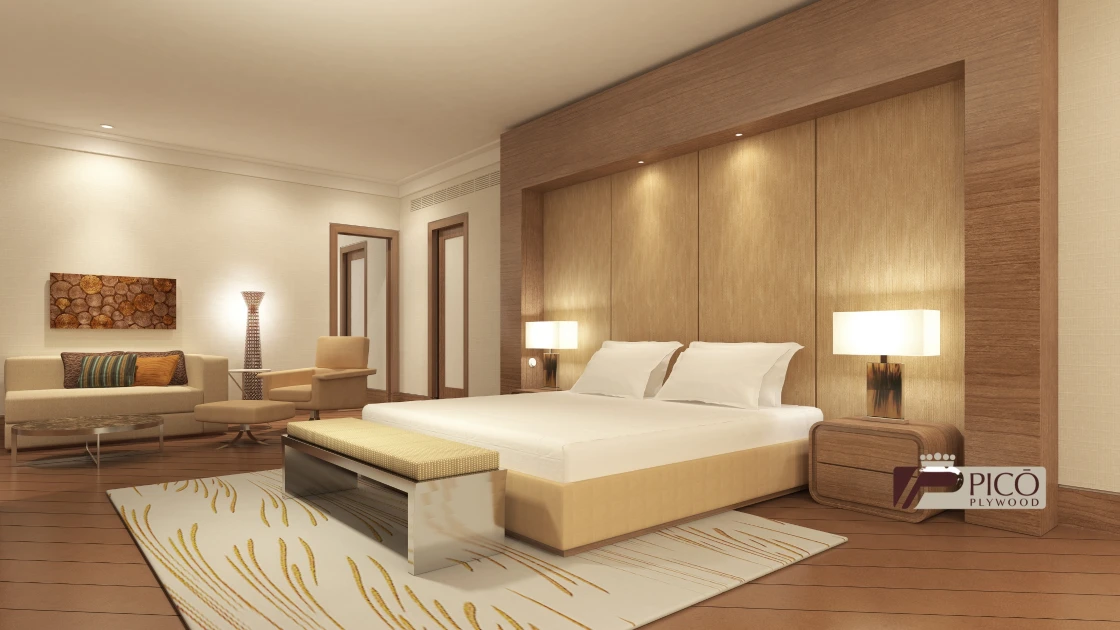
The furniture sector has been a pioneer in adopting formaldehyde-free plywood, especially in premium ranges and sustainable design. From tables and chairs to shelving, sideboards, and auxiliary furniture, eco plywood offers the same mechanical properties as traditional plywood with the added benefit of being completely safe for indoor use. Furniture manufacturers can communicate this added value to increasingly informed and demanding customers.
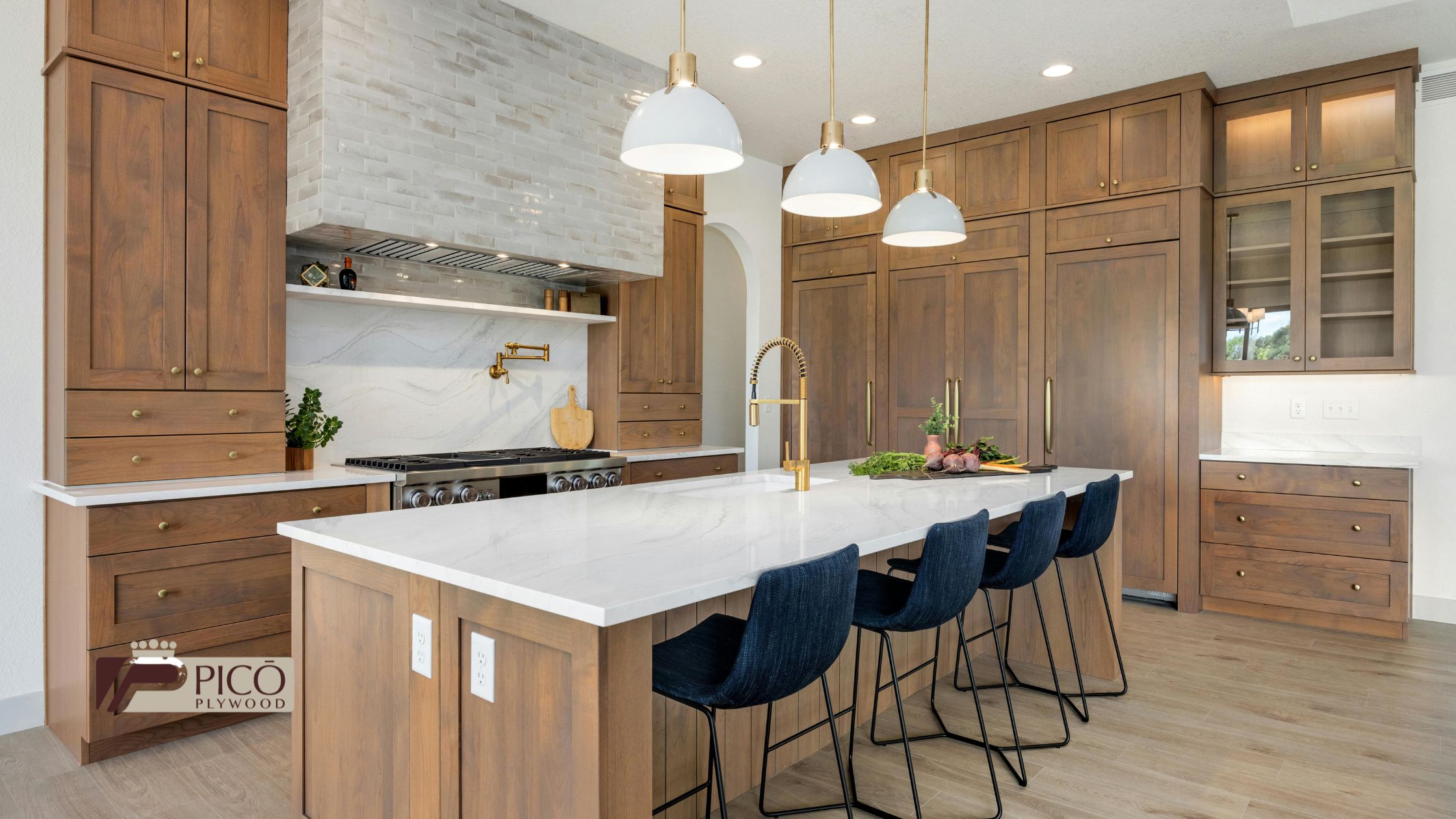
Kitchens and built-in wardrobes are applications where formaldehyde-free plywood is especially relevant. These elements remain in homes for decades and cover large surface areas, significantly impacting indoor air quality. Formaldehyde-free plywood is ideal for cabinet structures, drawer fronts, backs, and shelves. In kitchens, where temperature and humidity can accelerate emissions, using NAF materials is a long-term investment in health.
Children’s bedrooms require special attention in material selection. Furniture, cladding, and decorative elements made with formaldehyde-free plywood create a safe environment for child development. Cribs, beds, wardrobes, desks, and wooden toys can be manufactured with NAF plywood, completely eliminating the risk of formaldehyde exposure during sleep and play.
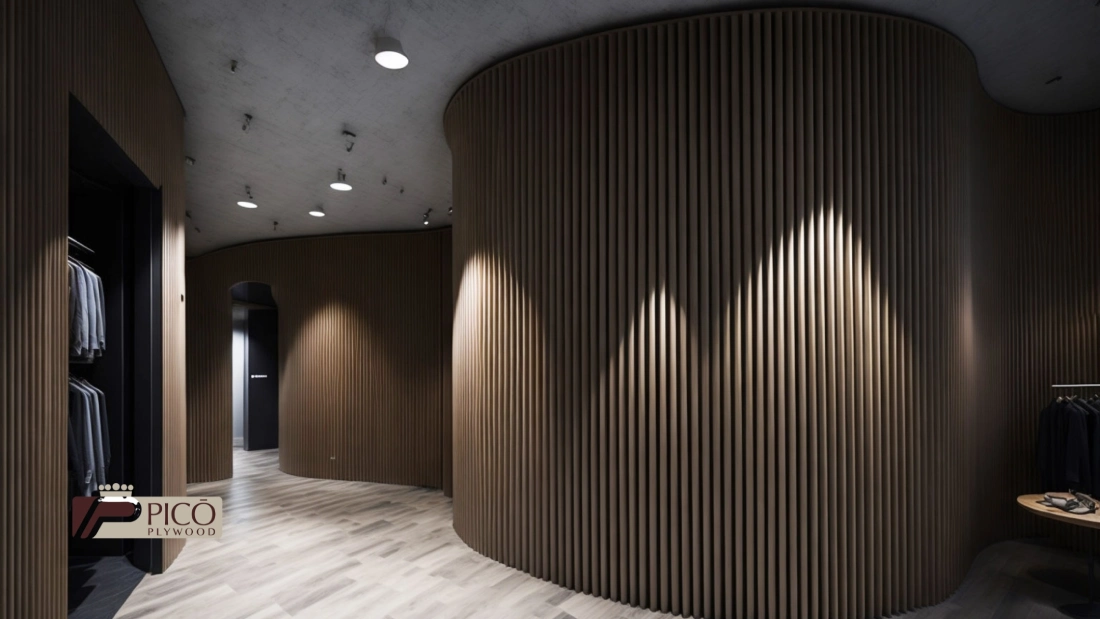
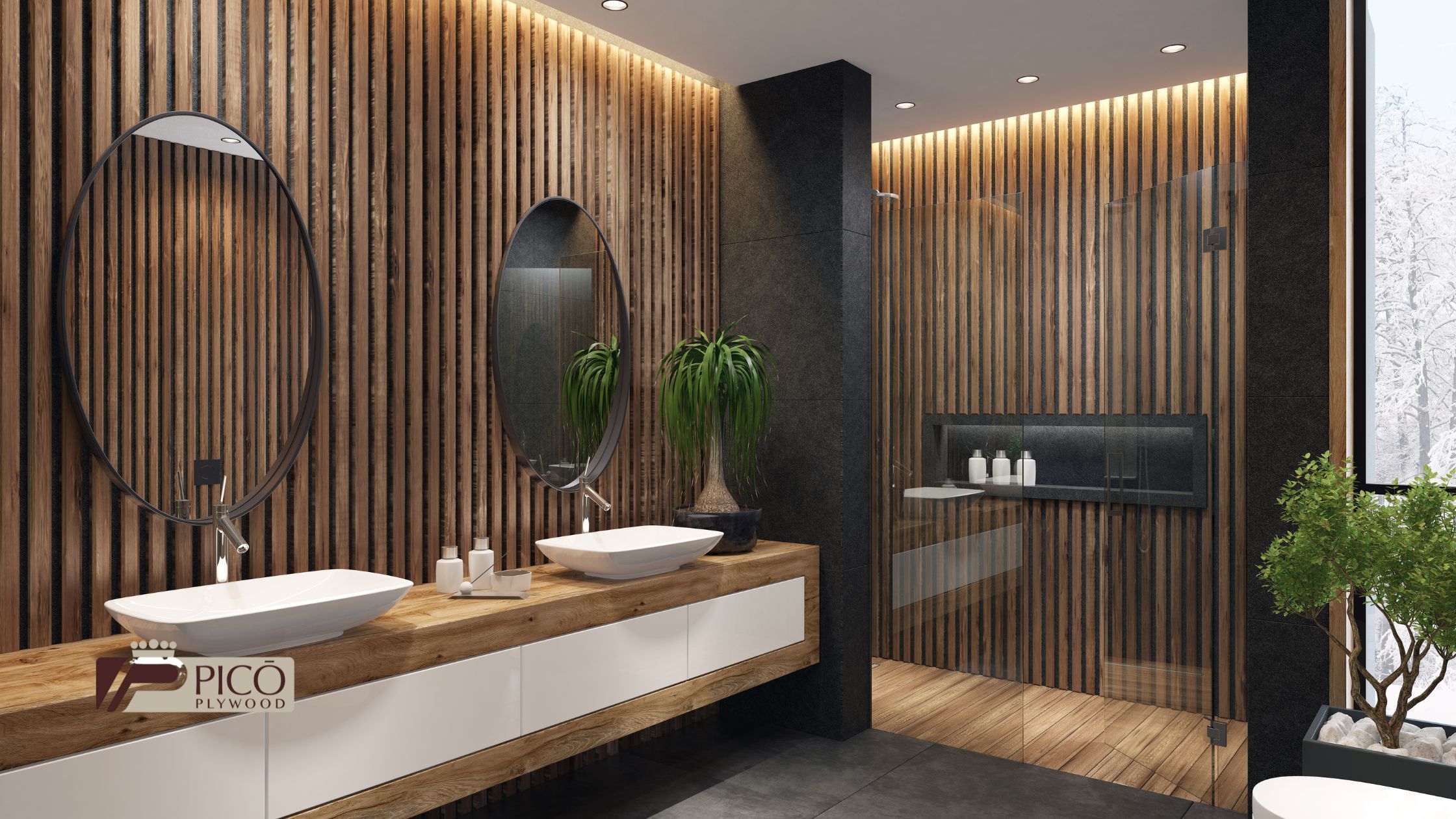
Wall and ceiling cladding with plywood adds warmth, acoustic comfort, and natural aesthetics to interiors. When formaldehyde-free boards are used, these applications do not compromise indoor air quality. Birch, okoume, or other decorative plywoods can be installed directly as interior finishes, taking advantage of their natural beauty without additional treatments that may introduce new VOCs.
The contract (hotels, restaurants, offices) and retail (stores, showrooms) sectors demand materials that combine durability, aesthetics, and safety. Formaldehyde-free plywood meets these requirements while adding sustainability value, increasingly important to corporate image. Counters, displays, paneling, commercial furniture, and decorative elements benefit from low formaldehyde plywood properties.
In environmentally certified construction projects, formaldehyde-free plywood is used in multiple structural and finishing applications: raised floors, partitions, suspended ceilings, reusable formwork, interior carpentry, and architectural elements. Its contribution to indoor air quality is essential for achieving maximum certification scores. Projects targeting Passivhaus or Nearly Zero Energy Buildings (NZEB) standards prioritize healthy materials as an integral part of their concept.
Feature | Traditional Plywood | Formaldehyde Free Plywood |
VOC emissions | High (0.124 mg/m³ or higher) | None or negligible (<0.05 mg/m³) |
Health impact | Risk of irritation, allergies, and respiratory problems | Safe for sensitive individuals, children, and long-term use |
Certifications | Limited (standard E1) | FSC, PEFC, CARB2, E0, NAF, eco-labels |
Recommended applications | General uses, exterior applications | Interiors, homes, hospitals, schools, hotels |
Regulatory compliance | Minimum legal requirements | Exceeds current requirements and anticipates future regulations |
Price | Lower initial cost | Higher initial investment, but sustainable in the long term |
Resale value | Standard | Higher in certified projects and sustainability-conscious markets |
Durability and mechanical properties | Good | Equivalent or superior depending on the adhesive used |
This comparison shows that, although formaldehyde-free plywood may represent a higher initial investment, its health benefits, regulatory compliance, and added value clearly justify the price difference, especially in long-term projects and occupied spaces.
Pico Plywood offers a complete range of low formaldehyde plywood that complies with the E0 classification or higher. These panels use modified adhesives that drastically reduce emissions without compromising the mechanical properties or the durability of the product. They are ideal for projects seeking a balance between sustainability, technical performance, and economic competitiveness.
The range includes different wood species such as birch, okoume, pine, and other technical woods, available in multiple thicknesses and formats. All products are supplied with certifications and technical data sheets detailing specific emissions and the standards met.
Discover all the information at: https://www.picoplywood.com/low-formaldehyde-plywood/
Pico Plywood’s urea-formaldehyde-free panels completely eliminate the use of UF resins, replacing them with safer alternative adhesives. This range is especially suitable for projects with strict indoor air quality requirements, such as passive houses, hospitals, nursery schools, and environmentally certified hotels.
Products in this category represent the highest guarantee in terms of health and sustainability, without sacrificing the exceptional structural and aesthetic properties of high-quality plywood.
More information at: https://www.picoplywood.com/urea-formaldehyde-free-plywood/
Formaldehyde-free birch plywood stands out for its strength, dimensional stability, and natural beauty, making it ideal for high-end furniture, cladding, and technical applications. Okoume, with its fine grain and warm color, is perfect for interior carpentry, doors, decorative panels, and marine applications. Multilayer technical panels offer homogeneous and stable surfaces, suitable for CNC machining, industrial applications, and elements that require dimensional precision.
Each product in Pico Plywood’s formaldehyde-free range is supplied with complete technical documentation, including emission certificates, classification according to European and international standards, mechanical properties, wood characteristics, and the adhesive used. This documentation is essential for specifiers, architects, and builders who need to justify material selection in certified projects or projects with specific requirements.
Pico Plywood offers custom cutting services that optimize material usage and reduce on-site waste. Customized supply includes different formats, from standard panels to pieces cut according to customer drawings. This service is especially valuable in furniture, carpentry, or modular construction projects where precision and logistical efficiency are crucial.
The first consideration should be the final use of the plywood. For furniture and decorative applications, aesthetic aspects such as wood grain, color, and the possibility of natural finishes are prioritized. For structural or technical applications, mechanical strength, dimensional stability, and machinability are more relevant. In interior cladding, a balance is sought between aesthetics, durability, and ease of installation.
Each wood species provides specific characteristics. Birch offers exceptional strength, light color, and fine grain, making it ideal for furniture and technical applications. Okoume stands out for its lightness, workability, and warm appearance, making it perfect for decorative carpentry. Pine is versatile and economical, suitable for structures and applications where aesthetics are not a priority. Tropical woods such as meranti or virola offer stability under variable humidity conditions.
Identify the specific certifications required by your project. LEED projects may require FSC and CARB2. Passivhaus buildings prioritize E0 or NAF classifications. Public projects in some countries require specific national certifications. Complete and traceable documentation is essential in tenders and certification audits.
Although formaldehyde-free plywood represents a higher investment than traditional plywood, it is important to evaluate the cost in perspective. The price difference usually ranges between 15% and 30% depending on the type of adhesive and certifications. This additional cost is offset by added value in certifications, reduced health risks, higher resale value, and early compliance with future, more stringent regulations.
Sustainability must be evaluated in an integrated manner, considering not only formaldehyde emissions but also the origin of the wood (FSC/PEFC), the carbon footprint of transportation, the durability of the product, and its potential for recycling or reuse at the end of its service life. Formaldehyde-free plywood with sustainable forest certification represents the most complete option in terms of environmental and social responsibility.
Traditional phenolic plywood uses phenol-formaldehyde (PF) resins, so technically it is not formaldehyde-free. However, emissions from phenolic adhesives are significantly lower than those from urea-formaldehyde and generally comply with E1 or E0 classifications. There are versions of phenolic plywood manufactured with alternative formaldehyde-free adhesives, especially designed for applications where the moisture resistance of phenolic plywood is required combined with zero emissions.
NAF plywood means «No Added Formaldehyde plywood», that is, plywood with no added formaldehyde. It refers to panels manufactured with adhesives that do not contain formaldehyde in their formulation. It is important to understand that there may be natural formaldehyde in minimal trace amounts present in the wood itself, but these quantities are insignificant and do not represent a health risk or an impact on indoor air quality.
Yes, formaldehyde-free plywood generally has a higher price than traditional plywood, with differences ranging between 15% and 30% depending on the type of adhesive, the certifications, and the wood species. This additional cost reflects the more advanced technology of alternative adhesives and certification processes. However, the investment is justified by health benefits, regulatory compliance, added value in certified projects, and the peace of mind of offering healthy spaces.
Formaldehyde-free plywood manufactured with modern adhesives such as MDI or polyurethane can offer mechanical properties equivalent to or even superior to plywood made with urea-formaldehyde. Strength depends more on the specific type of adhesive, the quality of the veneers, and the manufacturing process than on the presence or absence of formaldehyde. Certified products comply with the same structural regulations (EN 13986) as traditional plywood, ensuring their suitability for demanding technical applications.
Absolutely. Formaldehyde-free plywood is especially recommended for kitchens and bedrooms, which are spaces where people spend many hours and where indoor air quality has a direct impact on health and well-being. In kitchens, where temperature and humidity can be high, the use of formaldehyde-free panels eliminates the risk of accelerated emissions. In bedrooms, especially children’s bedrooms, it guarantees a safe environment during rest hours. In fact, these are precisely the priority applications for this type of material.
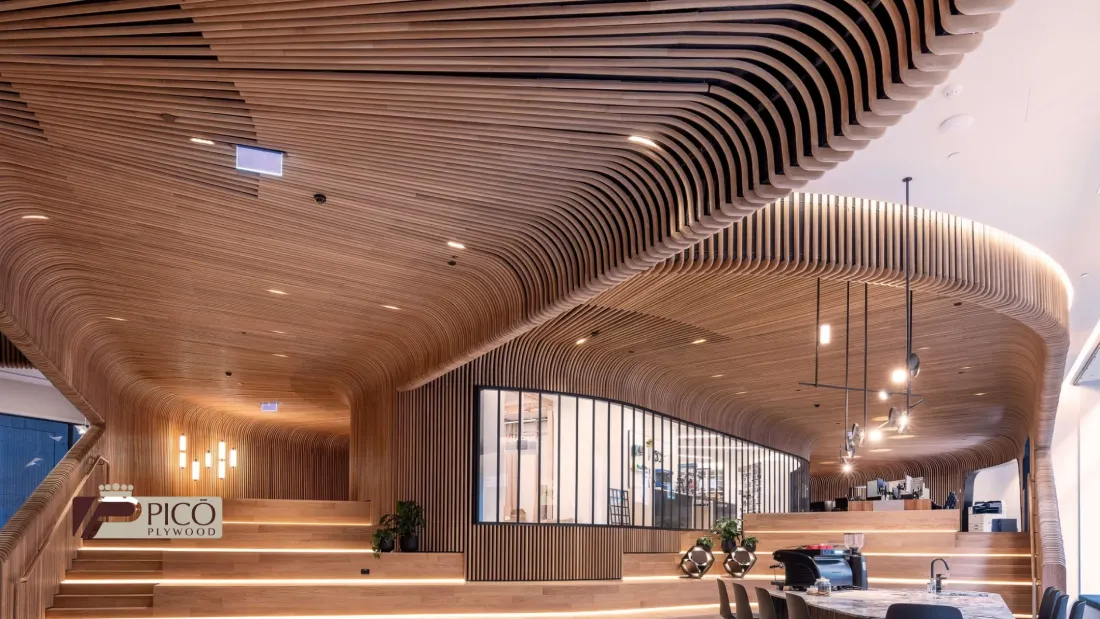
Formaldehyde-free plywood has become established as the standard for healthy construction in 2026. What just a few years ago was a premium option reserved for specific projects now represents a responsible and necessary choice for any professional committed to user health and the sustainability of the built environment.
In the furniture sector, eco plywood is positioning itself as the inevitable future. Manufacturers who adopt these materials not only comply with increasingly strict regulations, but also differentiate themselves in a market where consumers are increasingly informed and demand transparency regarding the materials that enter their homes.
As a requirement in Europe, formaldehyde-free plywood anticipates regulations that will inevitably become stricter in the coming years. E0 and NAF classifications will cease to be optional and will become minimum standards. Projects that incorporate these materials today are securing their regulatory validity and their value over time.
Investment in formaldehyde-free plywood is not only a technical or economic decision; it is a commitment to people’s health, the quality of indoor spaces, and the environmental responsibility that defines 21st-century construction.
Discover Pico Plywood’s range of formaldehyde-free plywood and receive personalized technical advice for your project. Our team of specialists will help you select the most suitable material according to your specific needs, required certifications, and available budget. Contact us and take the step toward healthier and more sustainable spaces.
pico Plywood Contact
Contact Information
To learn more about our Plywood Products or discuss your project requirements, please reach out to us through the following channels.
Esta web utiliza cookies para que podamos ofrecerte la mejor experiencia de usuario posible. La información de las cookies se almacena en tu navegador y realiza funciones tales como reconocerte cuando vuelves a nuestra web o ayudar a nuestro equipo a comprender qué secciones de la web encuentras más interesantes y útiles.
Strictly necessary cookies must always be enabled so that we can save your cookie setting preferences.
If you deactivate this cookie we will not be able to save your preferences. This means that each time you visit this website you will have to activate or deactivate cookies again.
Esta web utiliza Google Analytics para recopilar información anónima tal como el número de visitantes del sitio, o las páginas más populares.
Dejar esta cookie activa nos permite mejorar nuestra web.
Please enable strictly necessary cookies first so we can save your preferences!