
pico Plywood Contact
Contact Information
To learn more about our Plywood Products or discuss your project requirements, please reach out to us through the following channels.
PLYWOOD
How to protect plywood outdoors? Learn the best sealing, waterproofing and maintenance techniques to extend plywood lifespan in exterior environments.
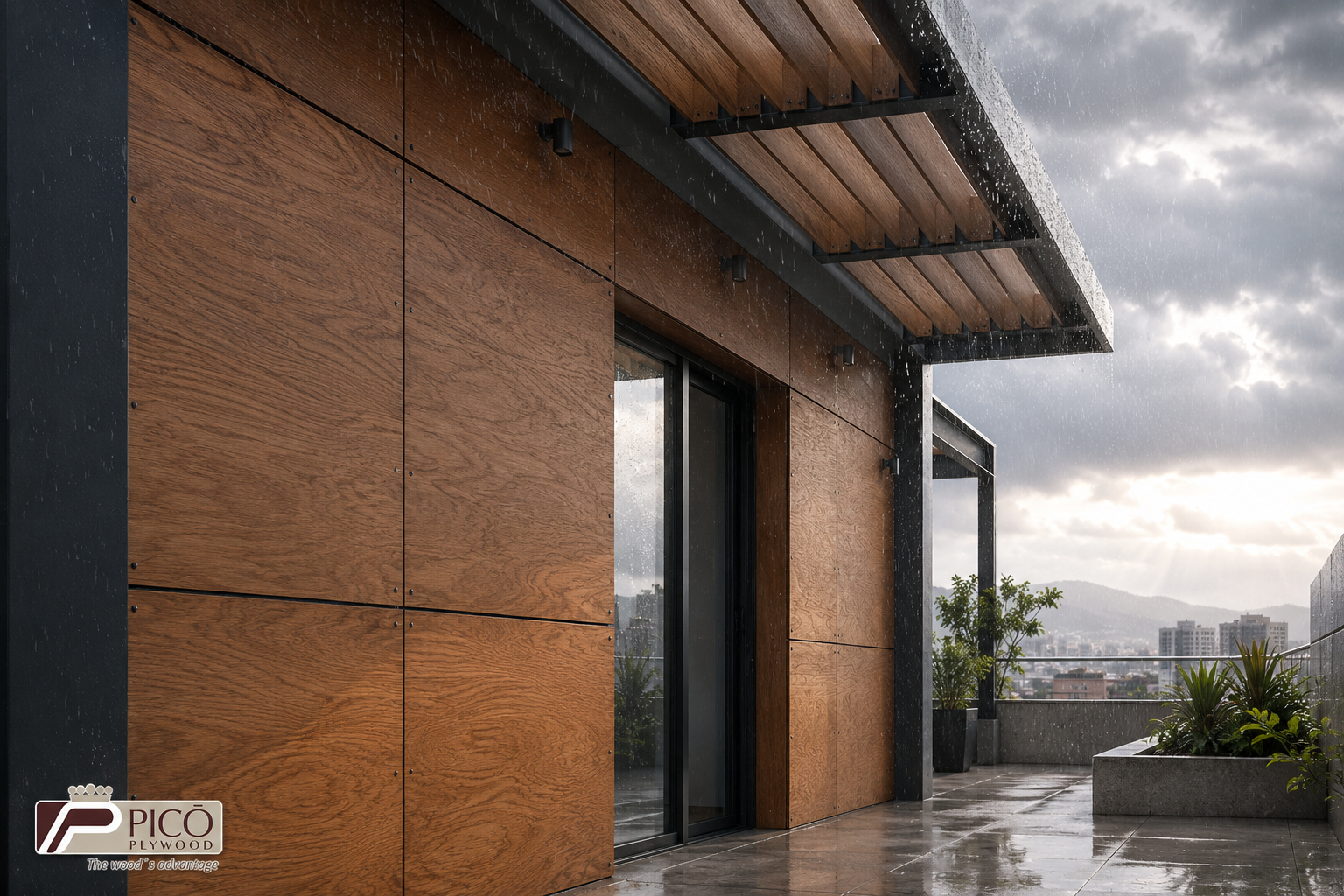
Protecting plywood outdoors is essential to prevent premature deterioration, structural failure, and costly replacements. Whether you are working on a construction project, a marine application, or outdoor furniture, understanding outdoor plywood protection is the difference between a panel that lasts decades and one that fails within a single season. This complete guide covers everything from choosing the right plywood type to applying the best coatings, waterproofing methods, and long-term maintenance strategies.
Plywood is an engineered wood product made of multiple thin veneer layers bonded with adhesive. While this construction gives it strength and dimensional stability, untreated plywood is inherently vulnerable to outdoor conditions. Without proper protection, the elements will degrade it quickly.
Water, humidity and direct sunlight are the three main enemies of outdoor plywood. Rain and humidity cause the wood fibres to swell and contract repeatedly, weakening the bond between layers and eventually causing delamination. UV radiation from sunlight breaks down the surface lignin of the wood, leading to graying, cracking, and surface erosion. Even in climates with moderate rainfall, the combination of morning dew and afternoon sun creates a cycle of moisture absorption and drying that is highly damaging over time.
Plywood is constructed with alternating grain directions to resist warping, but moisture disrupts this balance significantly. When water penetrates the outer veneer and reaches the core, each layer responds differently depending on grain direction. This differential expansion creates internal stress. Over time, this stress causes the adhesive bonds between layers to fail — a process known as delamination. The edges of plywood panels are the most vulnerable point, as they expose the raw end grain directly to moisture, allowing rapid absorption deep into the panel.
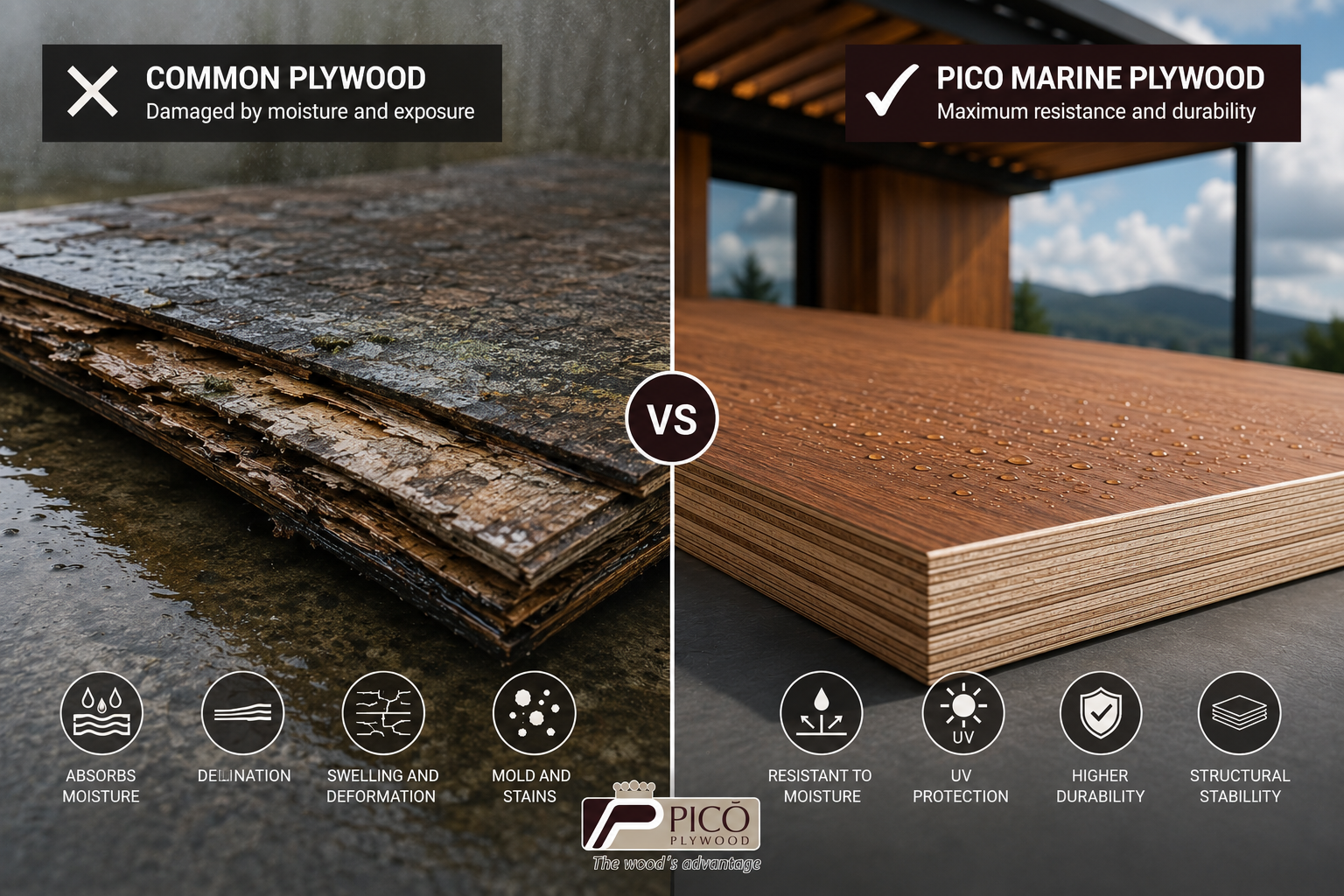
Leaving plywood exposed to outdoor conditions without adequate protection leads to a predictable sequence of deterioration. Each stage compounds the next, accelerating the overall failure of the panel.
Delamination is the separation of the veneer layers that make up the plywood panel. It occurs when moisture repeatedly infiltrates the adhesive layer between plies, weakening the bond until the layers physically separate. Once delamination begins, it spreads rapidly, and the structural integrity of the panel is compromised beyond repair. Delamination is one of the most common — and most preventable — forms of plywood failure outdoors.
When plywood absorbs moisture unevenly — for example, on one face but not the other — the differential expansion causes the panel to warp, bow or cup. Swelling also causes panels to expand beyond their original dimensions, creating problems in tight-fitting installations. Once a panel has warped significantly, it cannot be straightened effectively and must be replaced.
Persistent moisture creates ideal conditions for mold, mildew and wood-rotting fungi. These organisms break down the cellulose and lignin in the wood fibres, causing structural weakening and discoloration. Fungal growth is particularly problematic in poorly ventilated areas where moisture cannot evaporate. Beyond structural damage, mold poses health risks and can spread to adjacent materials.
The cumulative effect of delamination, warping and fungal decay is a dramatic reduction in load-bearing capacity and overall structural integrity. Plywood that has been left unprotected for extended periods may look superficially intact while having lost a significant percentage of its original strength. This is particularly dangerous in structural applications such as decking, formwork, or roofing.
Not all plywood is created equal when it comes to outdoor plywood durability. Selecting the right type for your specific application is the first and most important step in long-term outdoor protection.
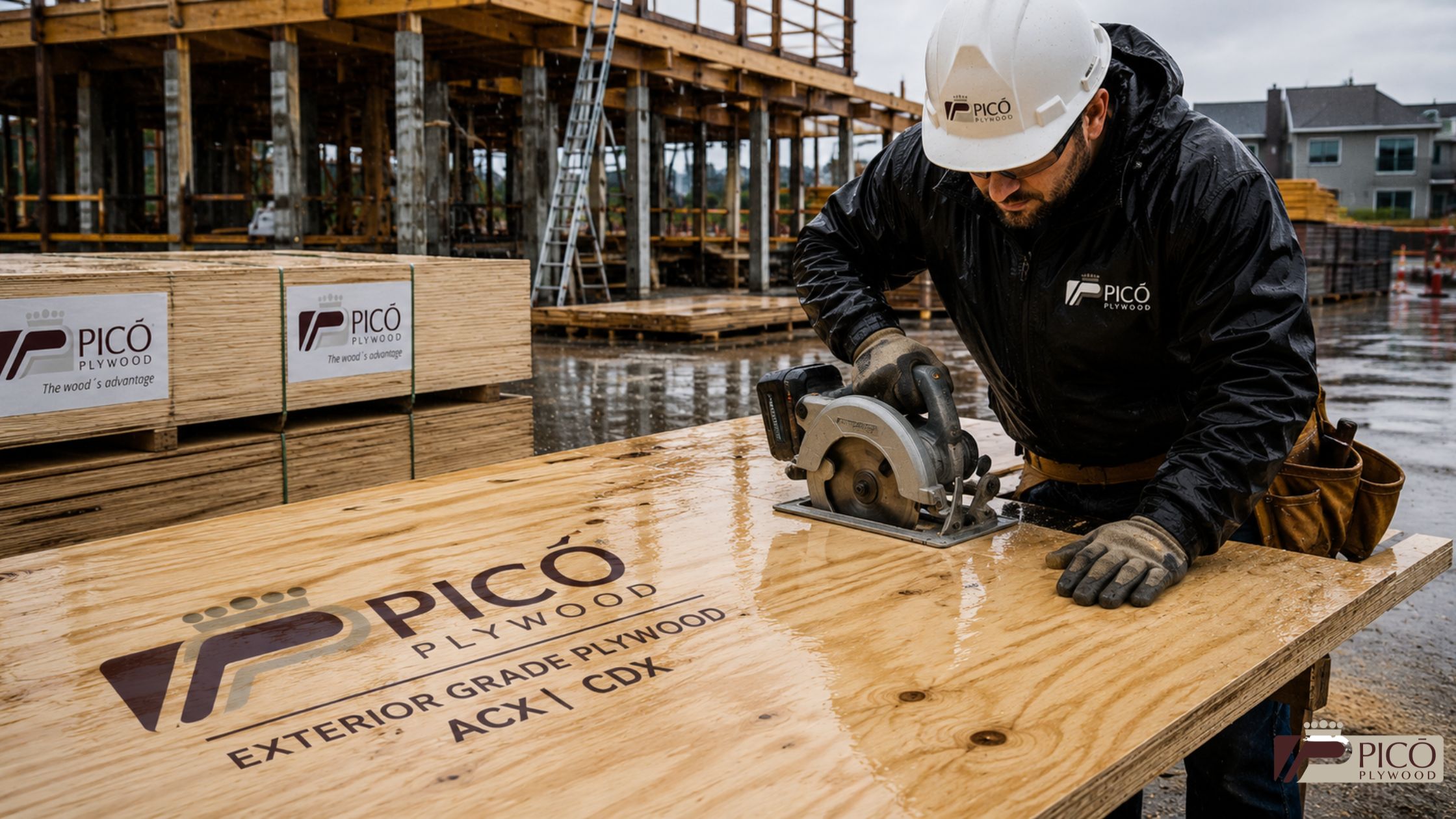
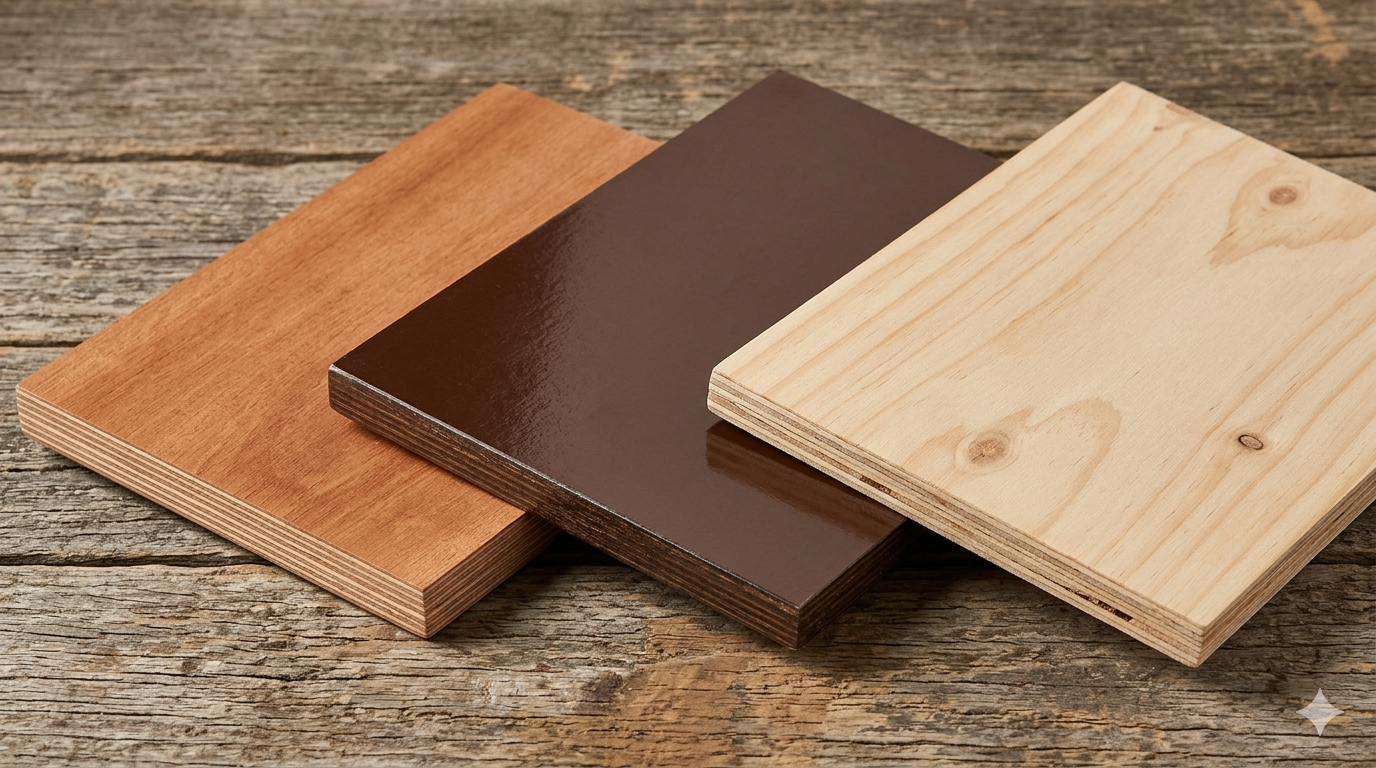
Marine plywood is manufactured to the highest standards of water resistance. It uses WBP (Weather and Boil Proof) phenolic adhesives and a void-free core construction that prevents water from tracking through the panel. The face veneers are selected for superior quality and tight grain, minimising moisture ingress. Marine plywood is the preferred choice for boat building, docks, outdoor furniture and any application where prolonged water exposure is expected.
Phenolic plywood is impregnated or coated with phenolic resin, which gives it exceptional resistance to moisture, chemicals and abrasion. The phenolic surface creates a near-impermeable barrier that dramatically reduces water absorption. It is widely used in construction formwork, industrial flooring and exterior cladding. Its surface also resists UV degradation better than untreated plywood, making it one of the most durable options for outdoor use.
Exterior grade plywood uses water-resistant adhesives and is designed to withstand repeated wetting and drying cycles. While it does not offer the same level of protection as marine or phenolic plywood, exterior grade plywood is a cost-effective solution for applications with moderate outdoor exposure, such as sheathing, shed construction or temporary installations. It must be coated and maintained regularly to achieve good longevity.
Film faced plywood features a hard phenolic film bonded to one or both faces, providing excellent surface protection against moisture, abrasion and UV light. The film face eliminates the need for additional surface coatings on the treated face and makes the panel easy to clean. Film faced plywood is extensively used in concrete formwork, scaffolding platforms and outdoor industrial applications where durability and ease of maintenance are priorities.
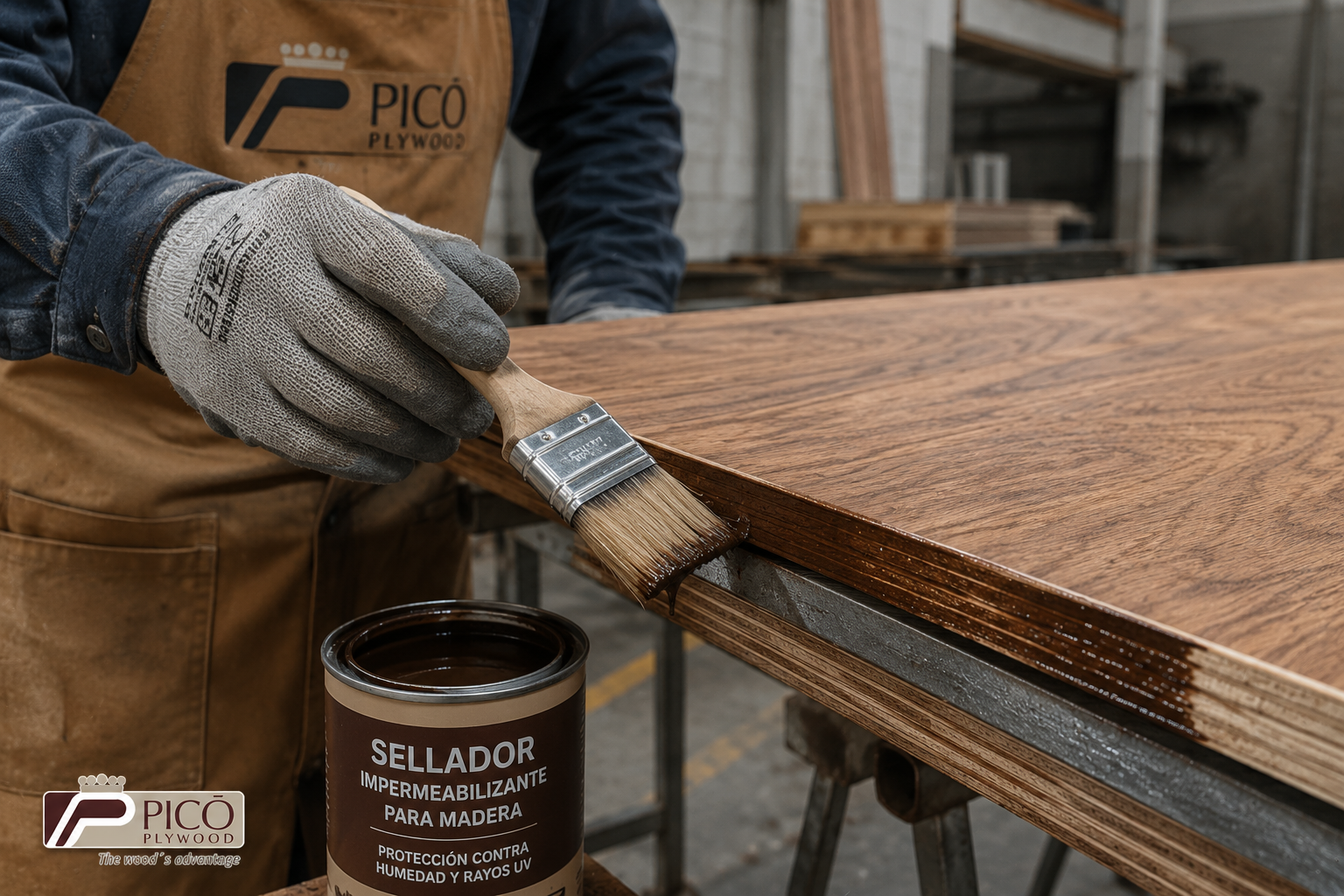
Proper plywood waterproofing is a multi-step process. It is not sufficient to apply a single coat of paint and consider the job done. Each step contributes to a system of protection that addresses different vulnerabilities of the panel.
Begin by applying a penetrating waterproof sealer to all surfaces of the panel, including both faces and all four edges. Sealers penetrate the wood fibres and create a hydrophobic barrier from within. For best results, apply a minimum of two coats, allowing full drying time between applications. Pay special attention to end grain edges, which absorb sealer three to four times faster than face grain and may require additional coats.
Once the sealer has cured, apply a high-quality exterior paint or UV-resistant varnish as a topcoat. Exterior paint provides a solid colour barrier that reflects UV radiation and prevents moisture penetration. Exterior varnish allows the wood grain to show through while providing good protection. Always choose products specifically formulated for exterior wood applications — interior formulations will fail rapidly when exposed to outdoor conditions.
Edges and corners are the points where plywood is most vulnerable to water infiltration. Apply extra coats of sealer to all edges, and consider using edge banding, aluminium edge trim, or waterproof caulk to provide physical protection. Rounded corners are preferable to sharp right angles, as they hold coatings better and resist chipping.
Every screw hole and joint is a potential entry point for water. Pre-drill holes slightly smaller than the fastener diameter to prevent splitting, then seal the holes with waterproof caulk or dip the screws in exterior wood glue before driving them. At joints between panels, use waterproof sealant rated for exterior use to prevent water ingress at the junction.
Protection Method | Water Resistance | Durability | Maintenance |
Sealer | High | Good | Medium |
Exterior Paint | High | Good | Low |
Varnish | Medium | Moderate | Medium |
Epoxy Coating | Very High | Excellent | Low |
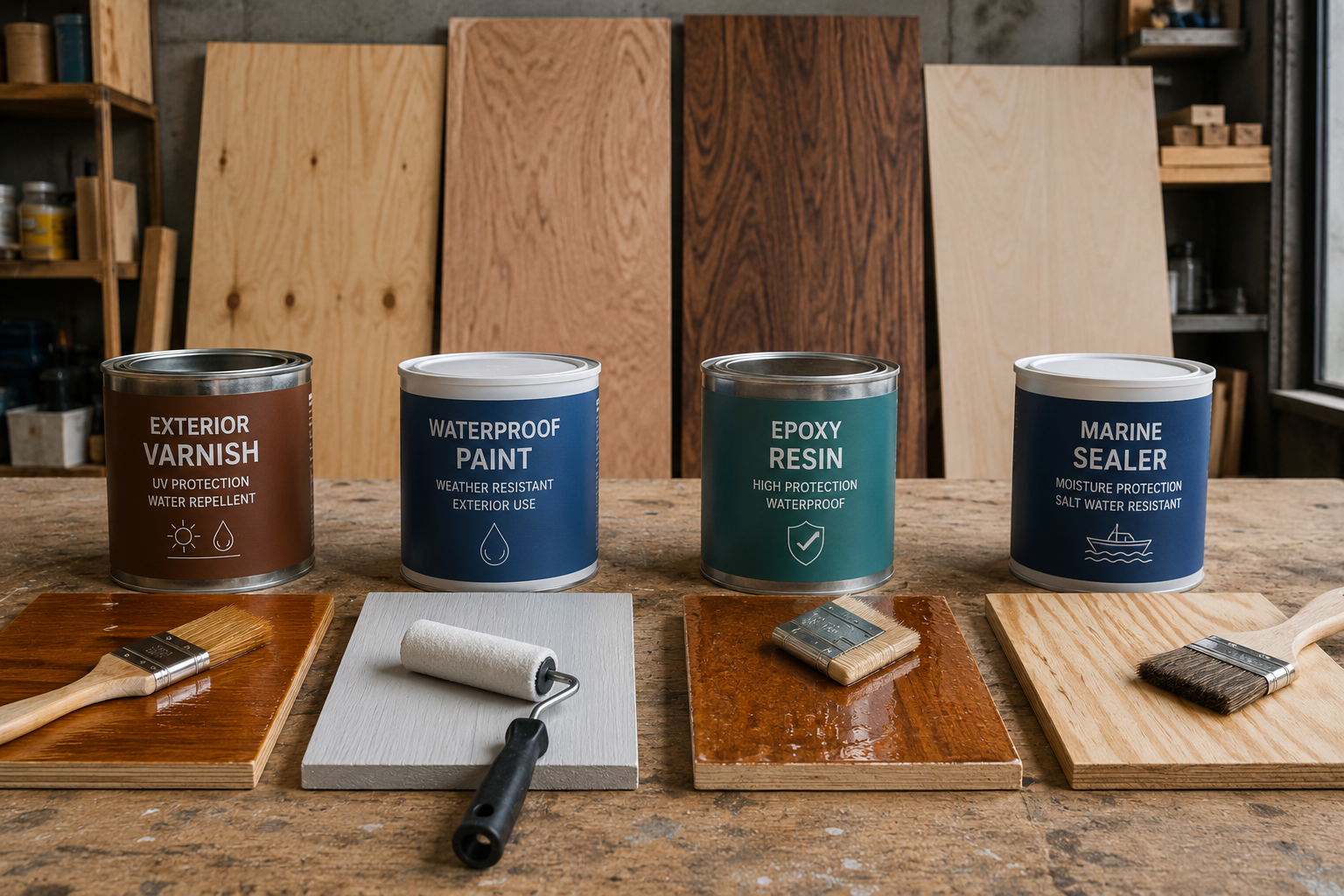
Selecting the best waterproof coating for plywood depends on your specific application, budget, and desired maintenance schedule. Each type of coating offers a different combination of protection, appearance, and longevity.
Polyurethane is one of the most popular choices for exterior plywood protection due to its excellent flexibility, hardness and resistance to abrasion. Water-based polyurethane dries quickly and has low VOC content, while oil-based polyurethane provides a deeper penetration and more durable finish. For outdoor plywood, use a minimum of three coats of exterior-grade polyurethane, sanding lightly between coats for best adhesion.
Epoxy resin systems provide the highest level of waterproofing available for plywood. When applied correctly, epoxy creates a near-impermeable barrier that completely seals the wood surface. It is commonly used in marine applications and high-performance outdoor structures. Epoxy must be topcoated with a UV-stable product such as polyurethane or varnish, as it is susceptible to UV degradation when left unprotected.
A quality exterior paint system consisting of a primer coat followed by two or more topcoats provides excellent protection and a wide range of colour options. Modern exterior acrylic paints are flexible, adhere well to wood, and resist UV degradation effectively. Always apply an exterior wood primer before painting — skipping the primer dramatically reduces adhesion and durability.
Marine-grade sealants are formulated to withstand constant water exposure and are an excellent choice for joints, edges, and any area where flexibility is required. Polyurethane-based marine sealants provide strong adhesion, UV resistance, and remain flexible after curing, accommodating the natural movement of the wood without cracking.
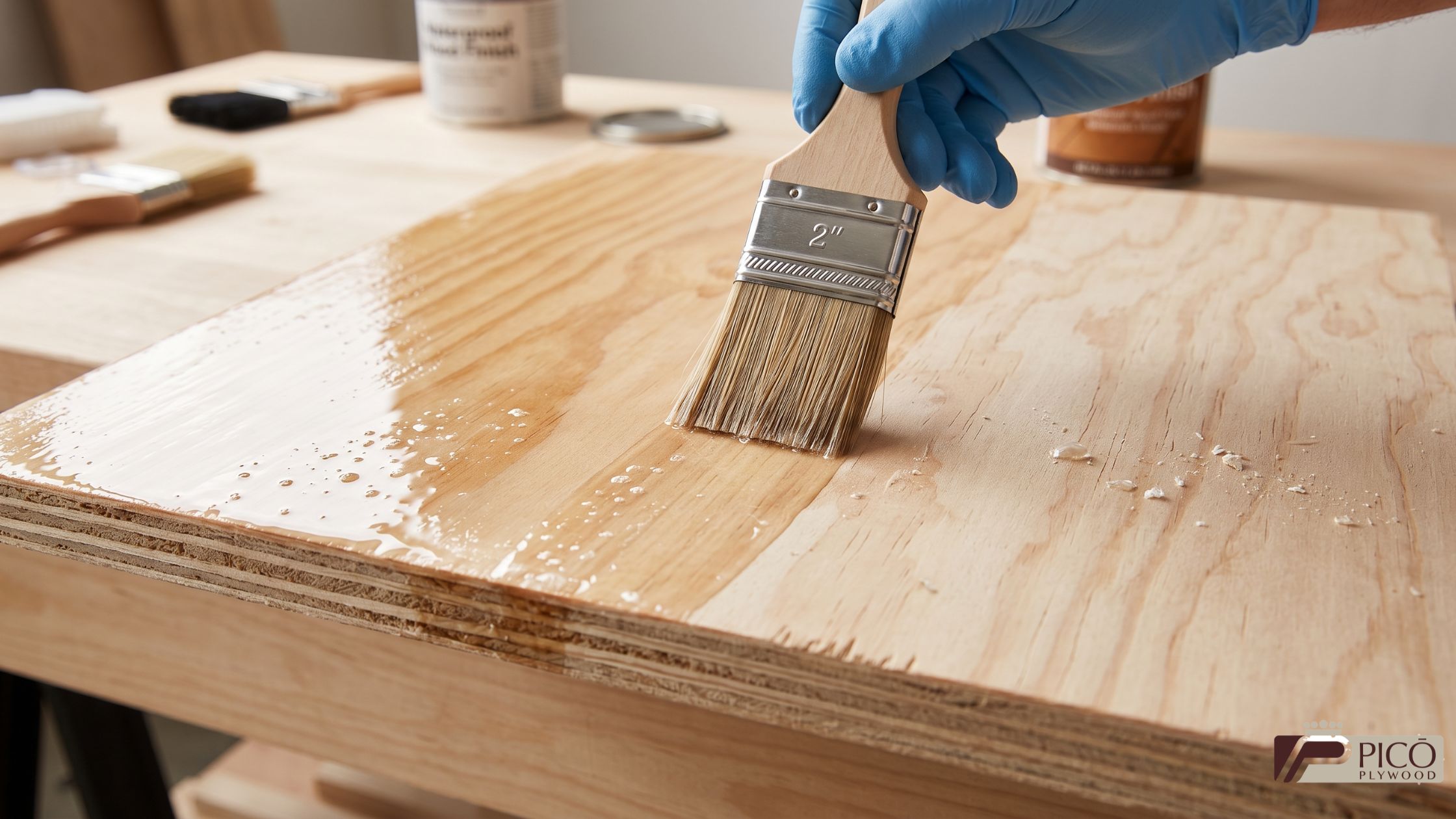
Beyond surface coatings, protect plywood from rain effectively by incorporating sound installation practices that reduce moisture exposure from the outset.
Install plywood panels with a slight slope or drainage angle wherever possible to prevent standing water from pooling on the surface. Use stainless steel or hot-dipped galvanised fasteners to prevent rust staining, and ensure that all cut edges are sealed before installation, not after.
Direct ground contact is one of the most destructive forms of moisture exposure for outdoor plywood. Always elevate plywood panels at least 150–200mm above ground level using treated timber supports, concrete blocks, or purpose-made standoffs. This simple measure dramatically reduces moisture absorption from the soil and prevents the conditions that promote rot and fungal growth.
Ensure that any structure incorporating outdoor plywood has adequate drainage pathways so that rainwater cannot collect against the panel surfaces. Design drainage gaps into horizontal structures and ensure that vertical panels are not in direct contact with drainage channels or gutters that could concentrate water against them.
Good ventilation is critical for plywood maintenance in enclosed outdoor structures such as sheds, deck soffits and wall assemblies. Adequate airflow prevents moisture from becoming trapped between surfaces, allowing any absorbed water to evaporate quickly. Incorporate ventilation gaps, louvres or breathable membranes into designs where plywood will be enclosed.
UV radiation is an often-underestimated factor in outdoor plywood durability. Even panels that are well-protected against moisture can suffer rapid surface degradation from prolonged sun exposure.
UV radiation breaks down lignin — the natural polymer that binds wood fibres together and gives plywood its structural integrity. This process causes surface graying, chalking and checking (the formation of surface cracks along the grain). Once the surface begins to check, moisture penetration accelerates dramatically, leading to a rapid cascade of further deterioration.
Choose topcoats that contain UV absorbers and HALS (Hindered Amine Light Stabilisers) to provide active protection against UV degradation. Transparent or semi-transparent exterior stains and varnishes with high UV protection are particularly effective when you want to preserve the natural appearance of the wood while maintaining strong protection.
UV-protective coatings degrade over time and must be reapplied on a regular schedule. Inspect UV-exposed plywood annually and plan to reapply UV-resistant topcoats every one to three years depending on the level of sun exposure and the quality of the product used. Never allow the coating to deteriorate to the point where bare wood is exposed.
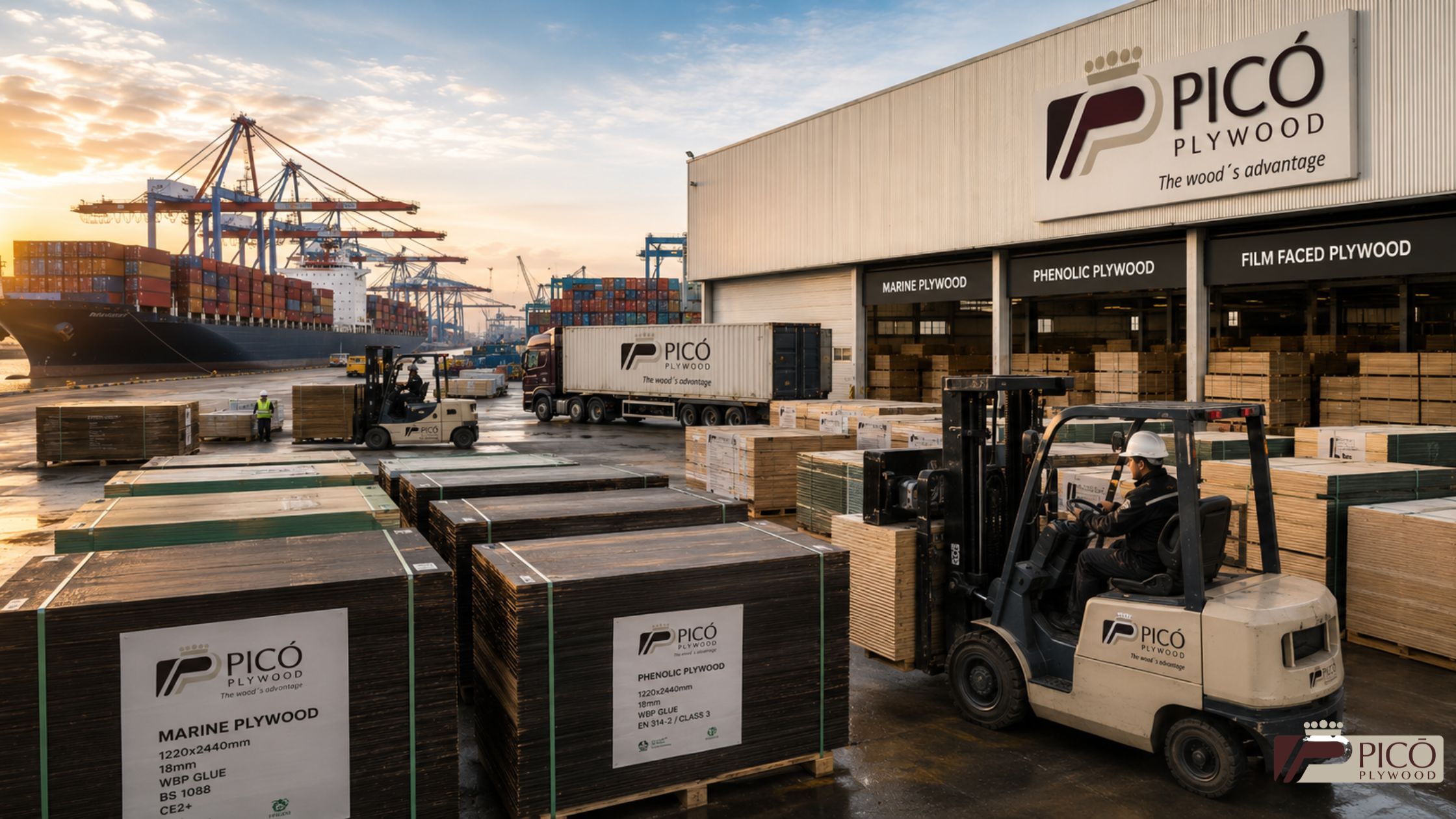
Even the best-protected outdoor plywood requires regular maintenance to remain in good condition. A consistent plywood maintenance programme extends service life significantly and is far more cost-effective than early replacement.
Before any maintenance application, clean the surface thoroughly to remove dirt, algae, mold and weathered coating residue. Use a mild wood cleaner or diluted bleach solution for mold and algae, and a stiff brush for dirt and debris. Allow the surface to dry completely — a minimum of 48 hours in dry weather — before applying any coatings.
When recoating, lightly sand the existing surface with 120–180 grit sandpaper to provide a mechanical key for the new coat. Remove all dust before applying. For surfaces where the existing coating has failed significantly, strip back to bare wood and start the full protection system from the beginning rather than applying new coatings over a compromised base.
Avoiding these common errors will significantly improve the longevity and performance of your outdoor plywood installation:
When the project demands the highest level of outdoor plywood durability, the choice typically comes down to marine plywood or phenolic plywood. Both offer excellent performance, but their properties suit different applications.
Both types offer superior moisture resistance compared to standard exterior plywood. Marine plywood relies on WBP adhesives and a void-free core to prevent water tracking, while phenolic plywood uses resin impregnation to create a surface that actively repels water. In prolonged immersion conditions, phenolic plywood generally performs better.
With regular maintenance, marine plywood can last 15 to 25 years in demanding outdoor environments. Phenolic plywood, particularly when film-faced, can exceed 20 to 30 years with minimal maintenance due to its pre-treated surface.
Marine plywood requires periodic sealing and recoating to maintain its water resistance. Phenolic plywood, especially film-faced variants, requires significantly less maintenance — primarily cleaning and inspection — making it a more practical choice in applications where access for maintenance is difficult.
Both marine and phenolic plywood are premium products priced higher than standard exterior plywood. Marine plywood is typically valued for its structural properties and workability, while phenolic plywood offers a better cost-performance ratio in applications where surface durability and low maintenance are the priorities.
Marine Plywood vs Phenolic Plywood — Comparison Summary
Feature | Marine Plywood | Phenolic Plywood |
Moisture Resistance | Excellent – WBP glue, void-free core | Superior – phenolic resin impregnation |
Lifespan (outdoors) | 15–25 years with maintenance | 20–30+ years |
Maintenance | Periodic sealing required | Minimal – surface pre-treated |
Best For | Marine, structural, high-end outdoor | Industrial, formwork, heavy-duty outdoor |
Relative Cost | Premium | Premium–High |
For detailed technical specifications and supply information, see:
➡ See: picoplywood.com/marine-plywood/
Selecting the right supplier is as important as selecting the right product. Picó Plywood is a specialist plywood supplier with extensive experience in high-performance outdoor and marine applications.
Picó Plywood supplies a comprehensive range of marine, phenolic, film-faced and exterior grade plywood sourced from certified manufacturers. All products are quality-checked to ensure they meet the specifications required for demanding outdoor environments. Whether you need panels for marine construction, industrial formwork, outdoor structures or specialist applications, Picó Plywood can supply the right product with the correct certifications
Picó Plywood supplies clients internationally with reliable logistics and competitive lead times. The technical team is available to advise on product selection, specification, and waterproofing requirements for your specific project. Whether you are a contractor, architect, or procurement specialist, Picó Plywood provides the expertise and supply capability to support your outdoor plywood needs.
➡ See: picoplywood.com/marine-plywood/
To protect plywood from rain, apply a penetrating waterproof sealer to all surfaces and edges, followed by a topcoat of exterior paint, varnish or polyurethane. Pay particular attention to sealing edges and end grain, which absorb water most rapidly. Use stainless steel fasteners and seal all screw holes and joints with exterior-grade caulk.
Standard plywood is not suitable for permanent outdoor exposure without ongoing protection. However, marine plywood and phenolic plywood can perform well outdoors for 15 to 30 years when properly installed, coated and maintained. Film faced plywood, with its pre-applied phenolic surface, is also suitable for long-term outdoor use in many applications.
Epoxy resin provides the highest level of waterproofing but must be topcoated with a UV-resistant product. For general outdoor applications, a system of penetrating sealer followed by exterior polyurethane or paint offers an excellent balance of protection, durability and practicality. For marine environments, two-part epoxy systems are the professional standard.
Yes. While marine plywood is manufactured with water-resistant adhesives and superior veneer quality, it still requires surface sealing and coating to achieve its maximum service life. The water resistance of marine plywood refers primarily to the adhesive bond between plies — the wood surface itself will still absorb moisture and deteriorate if left uncoated.
Outdoor plywood should be inspected annually for signs of coating failure, moisture ingress or surface damage. Recoating is typically required every one to three years depending on the quality of the coating system, the level of UV and moisture exposure, and local climate conditions. High-exposure applications such as marine environments may require more frequent maintenance.
Film-faced phenolic plywood and marine plywood offer the longest service lives in outdoor applications. Film-faced plywood with a hard phenolic surface can last 20 to 30 or more years with minimal maintenance, making it the most durable option for demanding outdoor and industrial environments. Marine plywood, properly maintained, offers comparable longevity in applications requiring structural performance and superior workability.
For additional guidance on outdoor plywood protection and wood preservation:
APA – Engineered Wood Association: outdoor plywood protection guidelines
USDA Forest Products Laboratory: wood preservation and durability research
WoodSolutions: best practices for exterior timber protection
pico Plywood Contact
Contact Information
To learn more about our Plywood Products or discuss your project requirements, please reach out to us through the following channels.
Esta web utiliza cookies para que podamos ofrecerte la mejor experiencia de usuario posible. La información de las cookies se almacena en tu navegador y realiza funciones tales como reconocerte cuando vuelves a nuestra web o ayudar a nuestro equipo a comprender qué secciones de la web encuentras más interesantes y útiles.
Strictly necessary cookies must always be enabled so that we can save your cookie setting preferences.
If you deactivate this cookie we will not be able to save your preferences. This means that each time you visit this website you will have to activate or deactivate cookies again.
Esta web utiliza Google Analytics para recopilar información anónima tal como el número de visitantes del sitio, o las páginas más populares.
Dejar esta cookie activa nos permite mejorar nuestra web.
Please enable strictly necessary cookies first so we can save your preferences!